Starter Story
Bread Pitt: The Reboot
The story of rebuilding a sourdough starter from scratch, including strange smells, slow progress, unexpected setbacks, and the return to the kitchen.
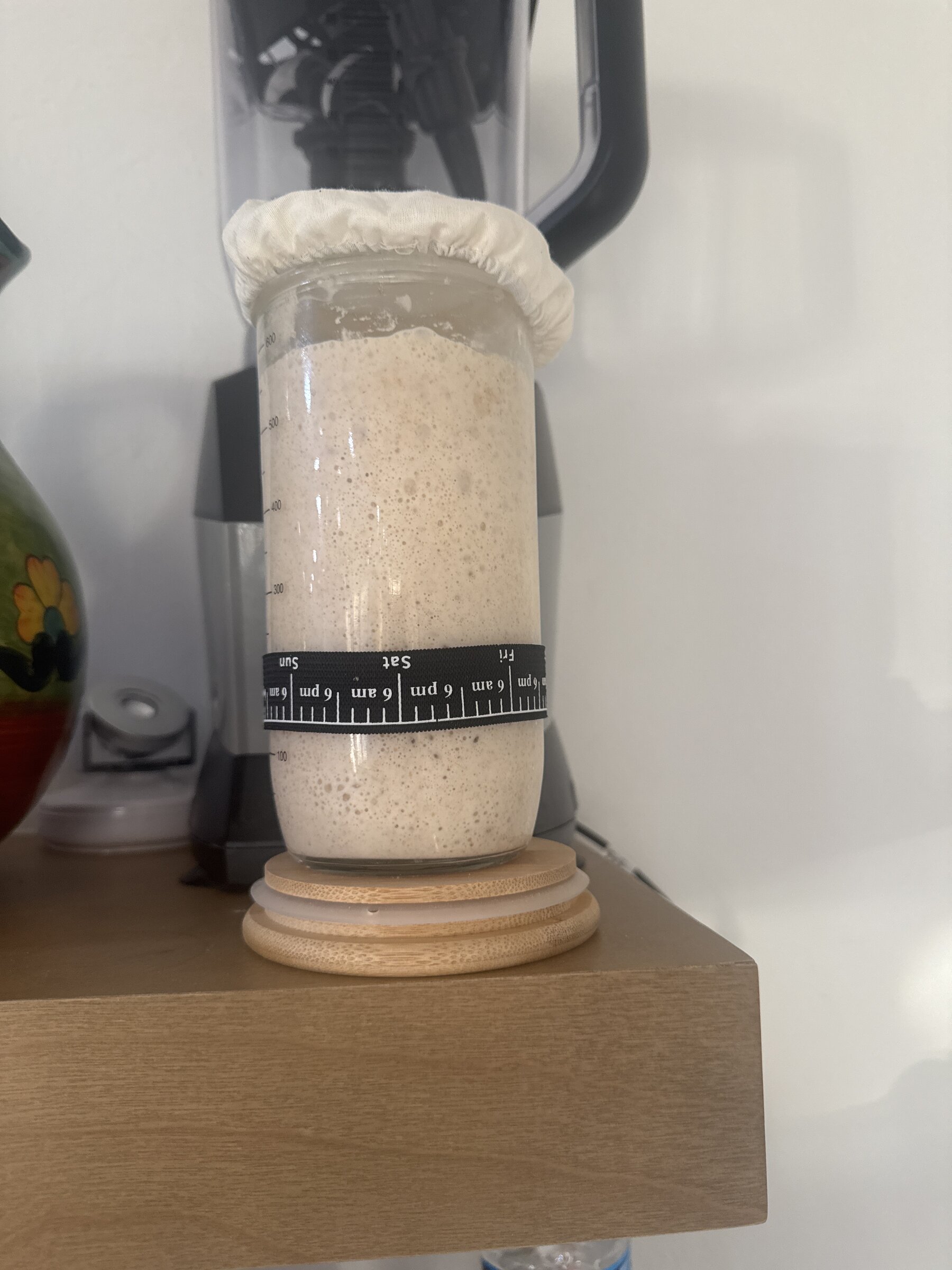
The Inciting Incident
Bread Pitt 1.0 did not survive the move from Florida to Texas.
I wish there were a more dramatic story behind it. I was moving and packing all my stuff into plastic totes, then putting them in a storage container and shipping it to Texas. There was no way Bread Pitt was going to survive the trip while spending two weeks in a 100-degree storage container.
I had to put him down.
Down the sink.
Farewell, Bread Pitt 1.0.
So on July 10, 2026, Bread Pitt 2.0 began his career with a clean jar, some flour, some water, and absolutely no acting experience.
There are plenty of videos, tutorials, articles, schedules, charts, and strongly held opinions online about how to make a sourdough starter. Most of them will get you there.
Your experience probably will not match theirs exactly, or mine for that matter.
I have created several starters over the years, and every one of them has behaved a little differently. Some become active quickly. Some bubble for days without rising much. Some develop a pleasant sour smell early on. Others spend a few days smelling like something you found behind a gym locker.
Bread Pitt chose the old-boot route.
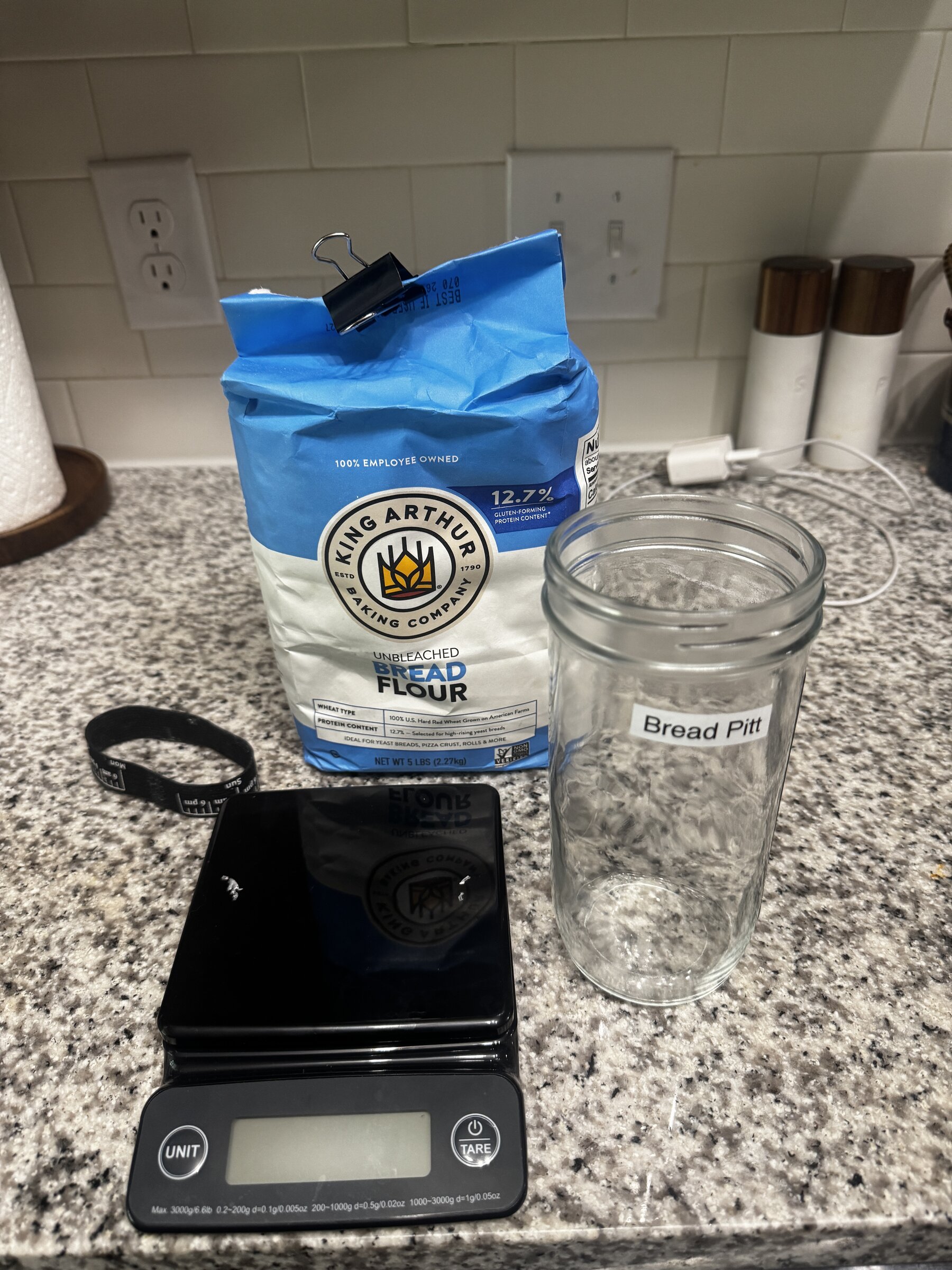
Assembling the Cast
The plan was simple:
- Keep a small amount of starter.
- Feed it flour and water every 24 hours.
- Watch for bubbles, rise, texture changes, and strange smells.
- Try not to panic every time it does something weird.
My regular feeding was:
- 40 grams starter
- 40 grams water
- 40 grams flour
I kept Bread Pitt at around 74°F and marked the level on the jar after each feeding so I could see how much he rose.
At the beginning, I used King Arthur unbleached bread flour. That was what I already had in the kitchen, and I did not feel like turning the first feeding into a supply run.
Bread flour worked, although Bread Pitt developed slowly.
I have used all-purpose flour for starters before and did not get great results. The flour was bleached, and I suspect that was part of the problem. Unbleached all-purpose flour can work, but after my previous experience, I felt better starting with bread flour.
I would have preferred to use some whole-wheat flour from the beginning. I simply did not have any yet.
The Seven-Day Prophecy
A lot of guides describe sourdough starter as a seven-day project.
Day 1: Mix flour and water.
Day 3: See bubbles.
Day 5: Watch it double.
Day 7: Bake a beautiful loaf while sunlight streams through the kitchen
window and everything looks suspiciously clean.
One week is a useful general timeline. Some starters are ready that quickly. Others need two weeks. Some take longer.
Bread Pitt took closer to three weeks before I trusted him with his first loaf.
That was fine. He was working at his own pace.
The Early Roles
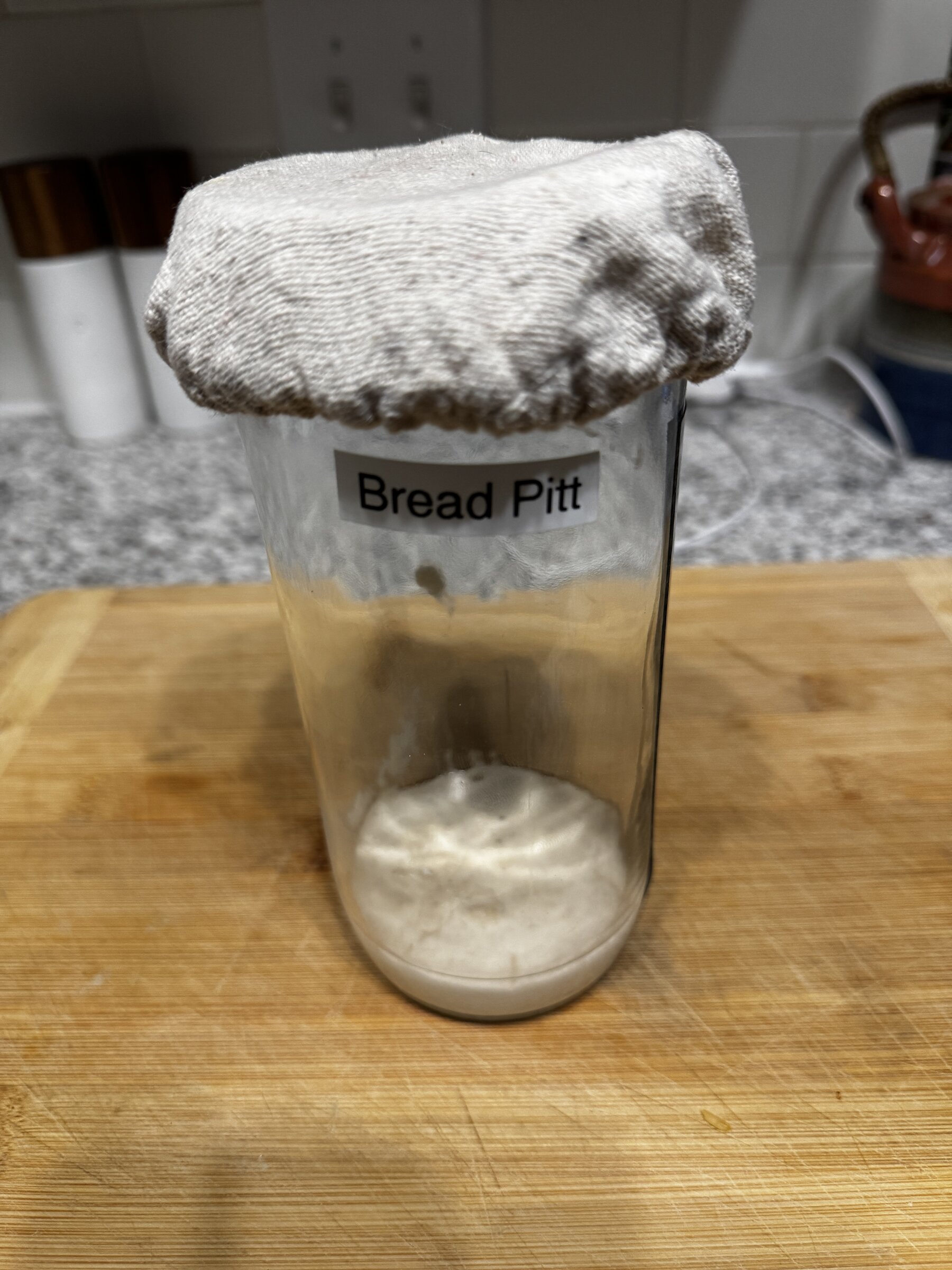
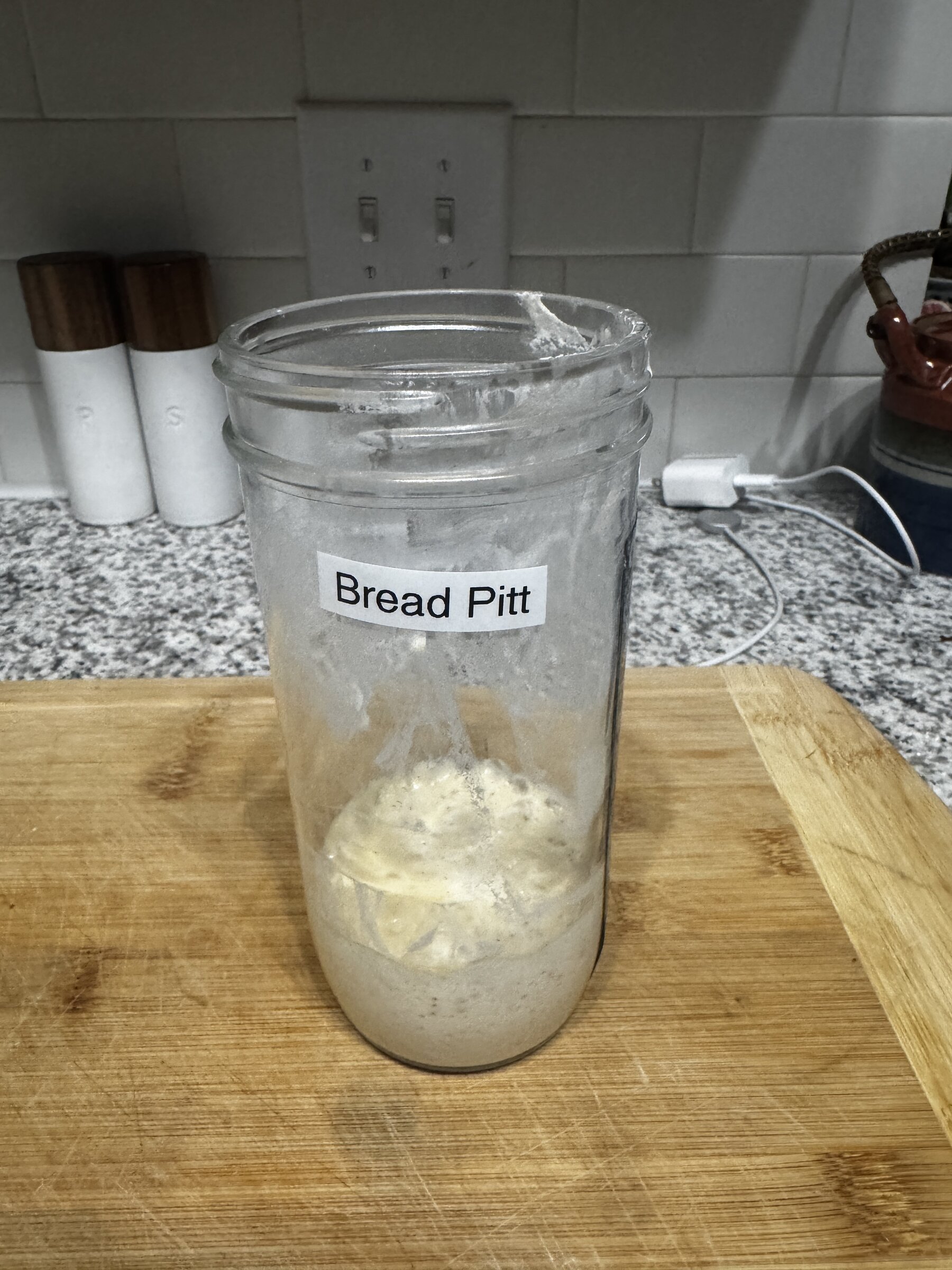
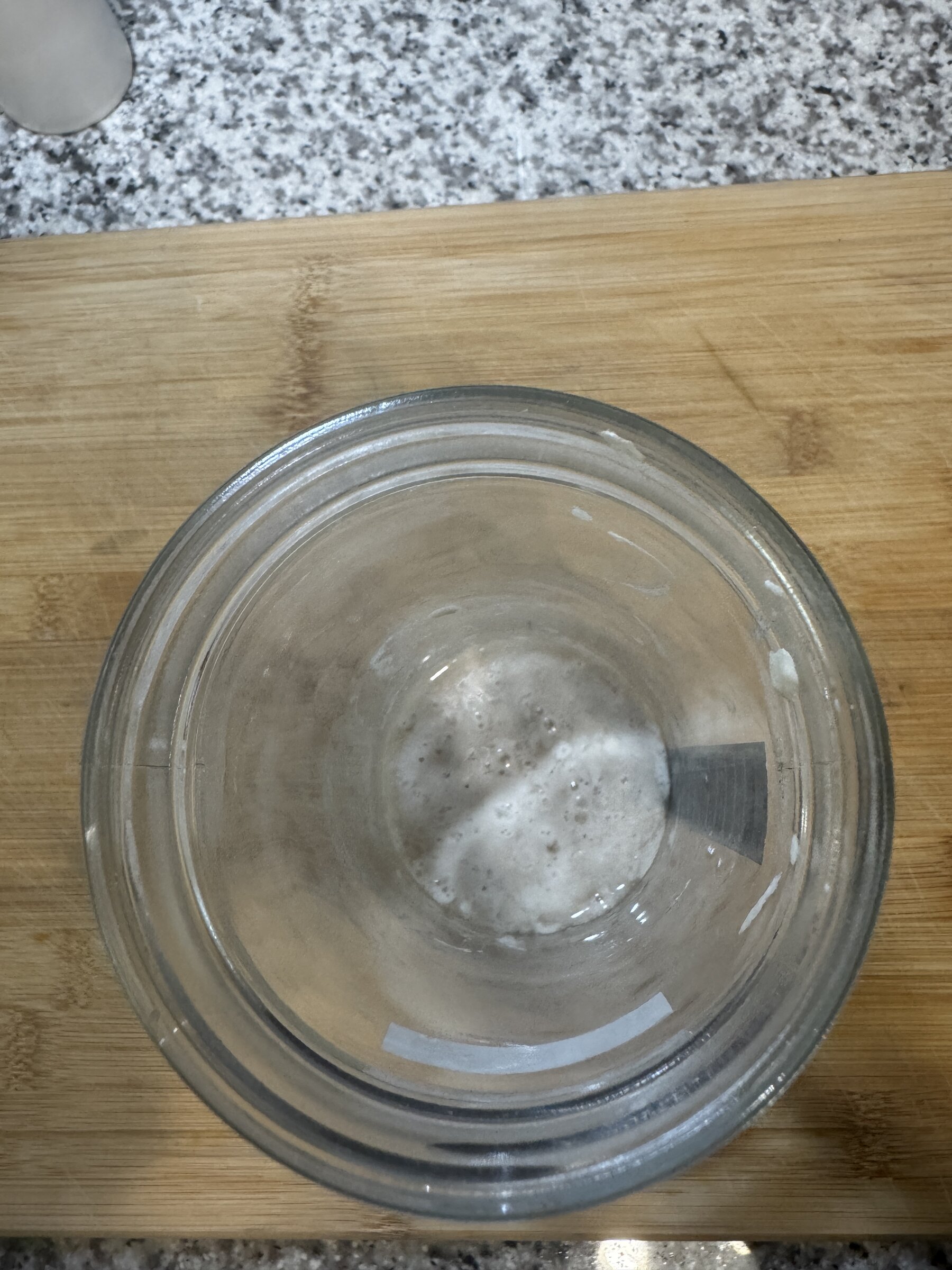
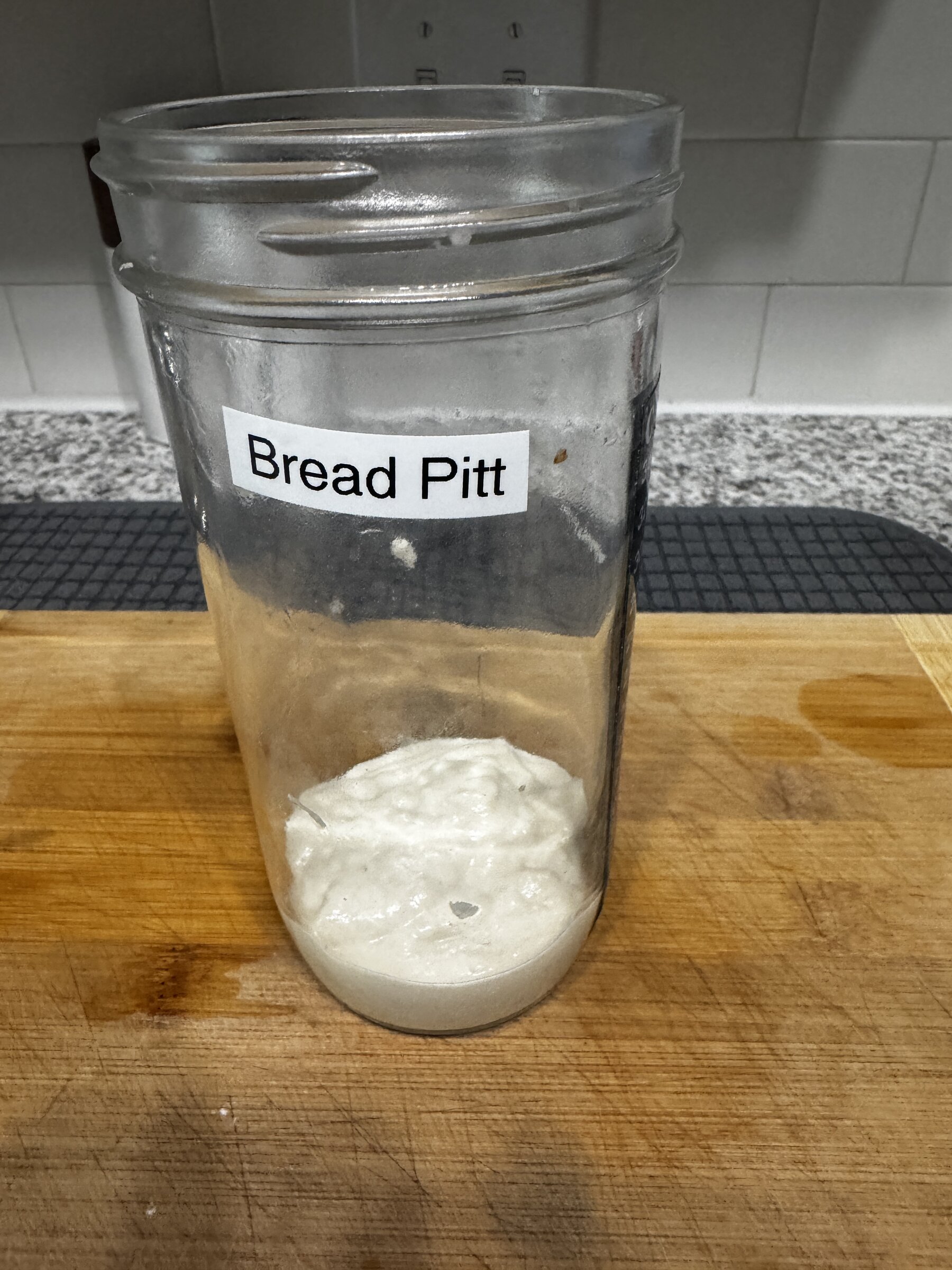
The first couple of days were quiet. Bread Pitt looked like wet flour sitting at the bottom of a jar, which was a fair assessment of the situation.
By Day 3, small bubbles had started appearing throughout the mixture. There was very little rise, but something was clearly happening.
Bread Pitt had officially moved beyond “jar of paste” and landed his first supporting role.
Something Smells Suspicious
Then came Day 4.
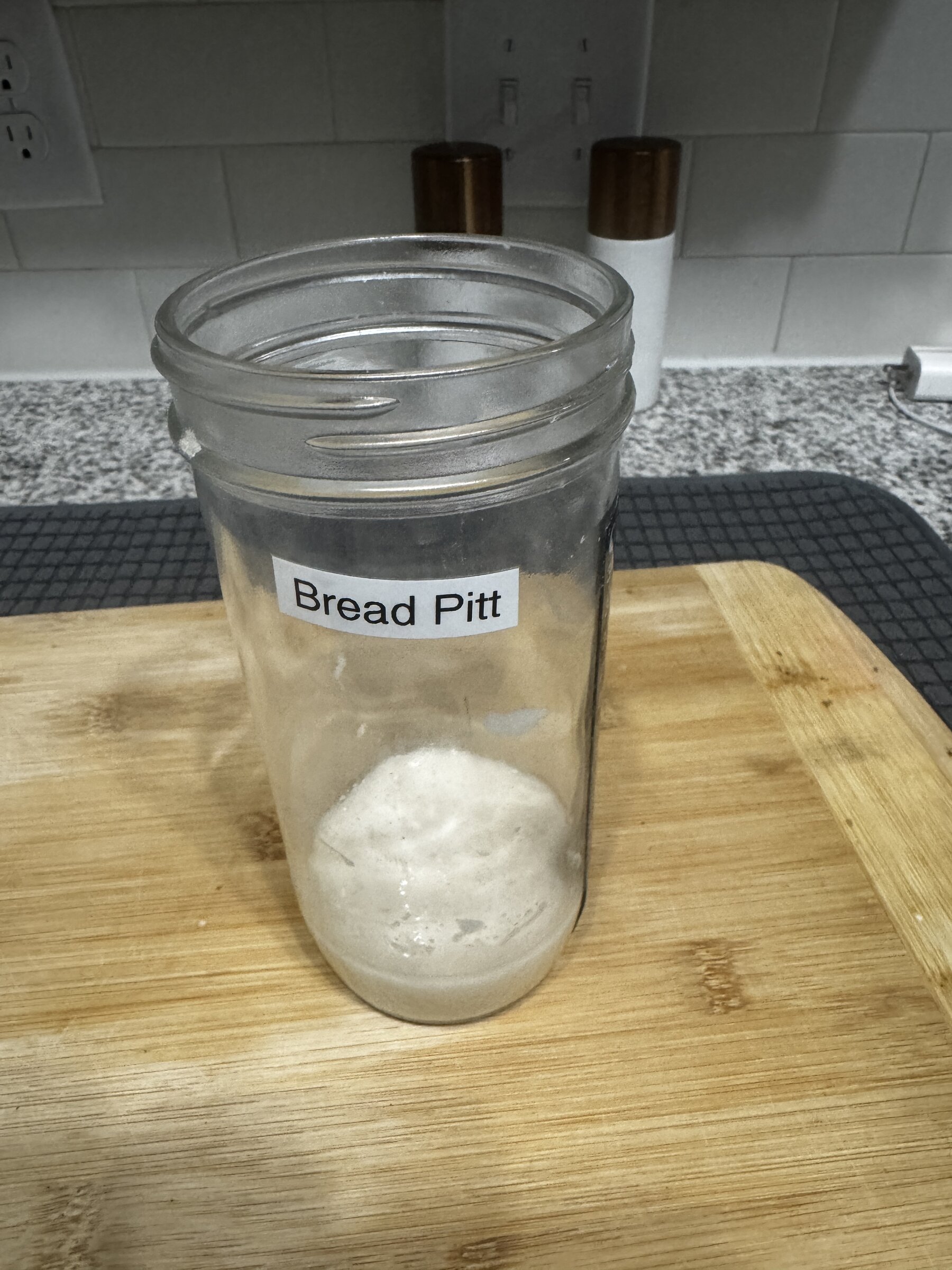
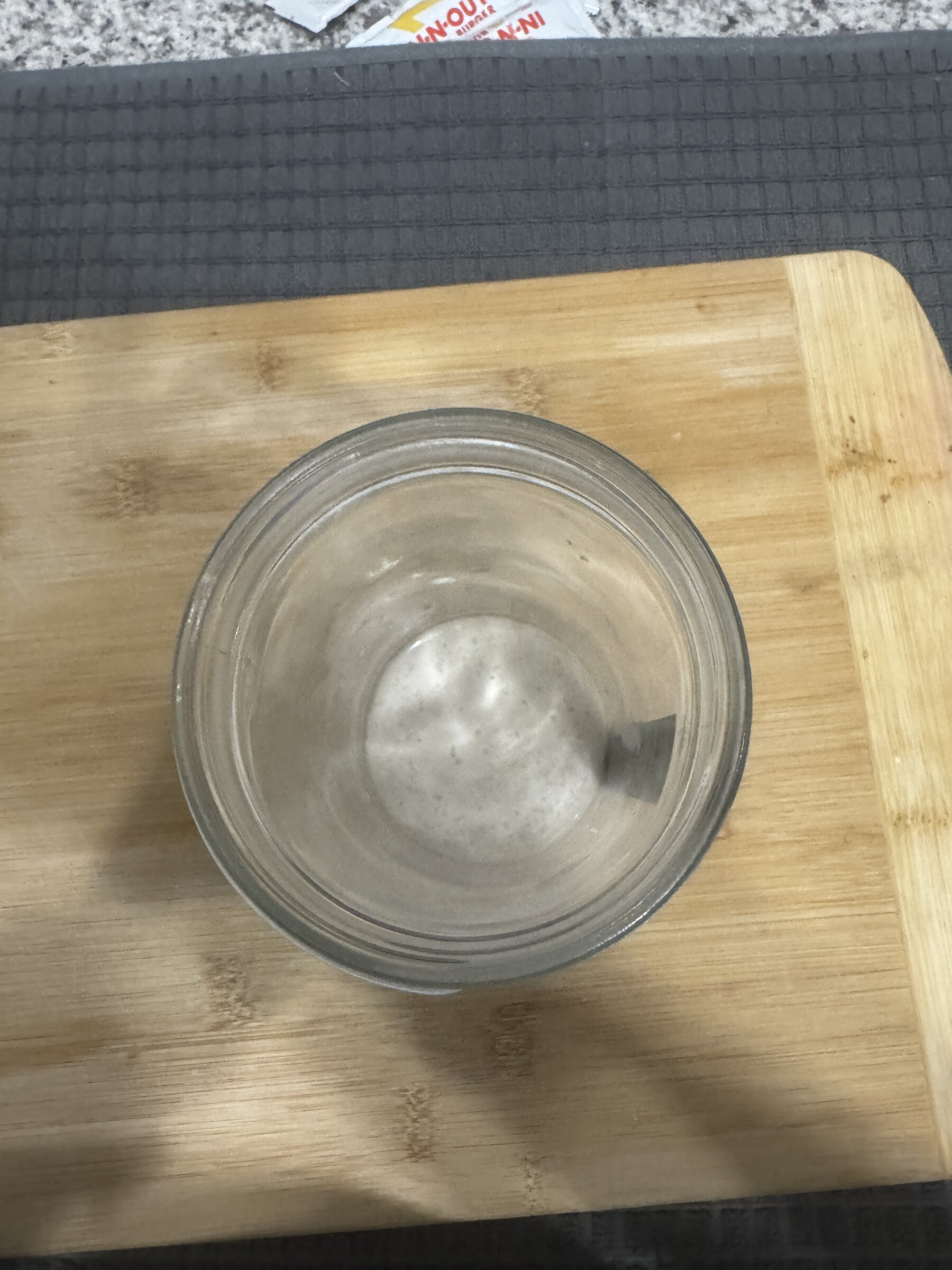
The starter became loose and runny. It had more bubbles, almost no rise, and smelled like an old sweaty boot that had been living under the bed for a few weeks.
The aroma suggested many things. Fresh bread was pretty far down the list.
Young starters often pass through a strange-smelling phase while different bacteria compete inside the jar.
Bread Pitt smelled like ripe footwear.
His color still looked healthy. There was no mold, no pink or orange discoloration, and plenty of small bubbles. I kept feeding him.
The Case of the Missing Feeding
On July 14, I forgot to feed Bread Pitt, and he was not happy about it.
No sourdough emergency response team arrived.
The next morning, he looked collapsed and hungry. I discarded the usual amount, gave him his regular feeding, and continued with the schedule.
He was fine.
Missing a feeding is not ideal, especially while a starter is developing, but one missed day did not ruin anything.
The Long Second Act
Over the next several days, Bread Pitt kept producing bubbles. His smell gradually moved from old boot to neutral, then back to mild boot, then toward bread, yeast, and alcohol.
The aroma kept improving while the rise stayed stubbornly small.
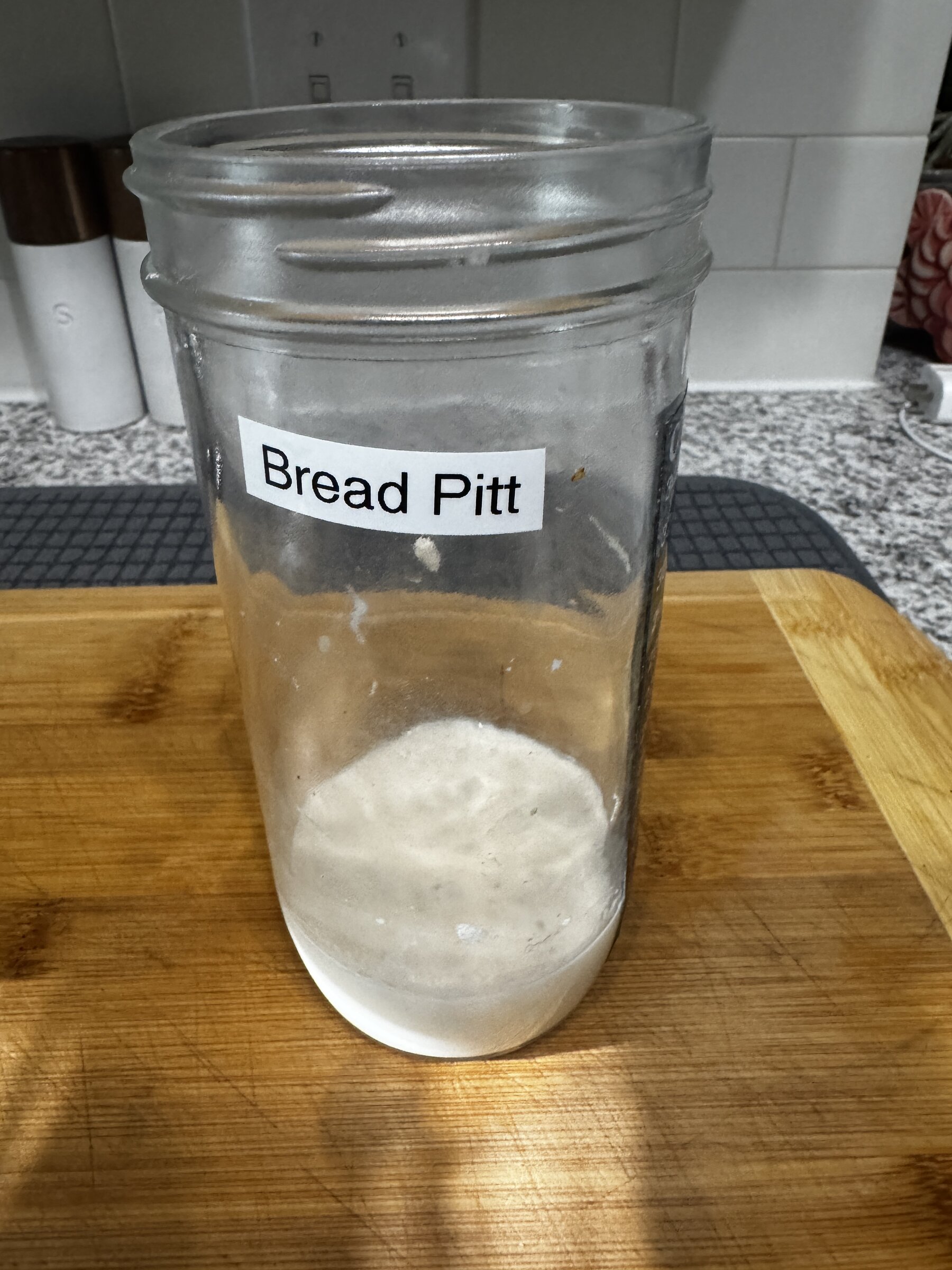
By July 19, he had been alive for more than a week and still showed only a tiny amount of growth after feeding.
It had risen approximately the width of a badly penciled-in eyebrow.
I kept feeding him.
The Whole-Wheat Side Quest
I wanted to add whole-wheat flour because it often gives a developing starter a useful boost.
Buying it became a side quest.
Somewhere nearby, a confused neighbor may have received five pounds of whole-wheat flour and a bag of limes while Bread Pitt continued eating bread flour.
Once I finally got the whole wheat, I split the flour evenly:
- 40 grams bread flour
- 40 grams whole-wheat flour
The Training Montage
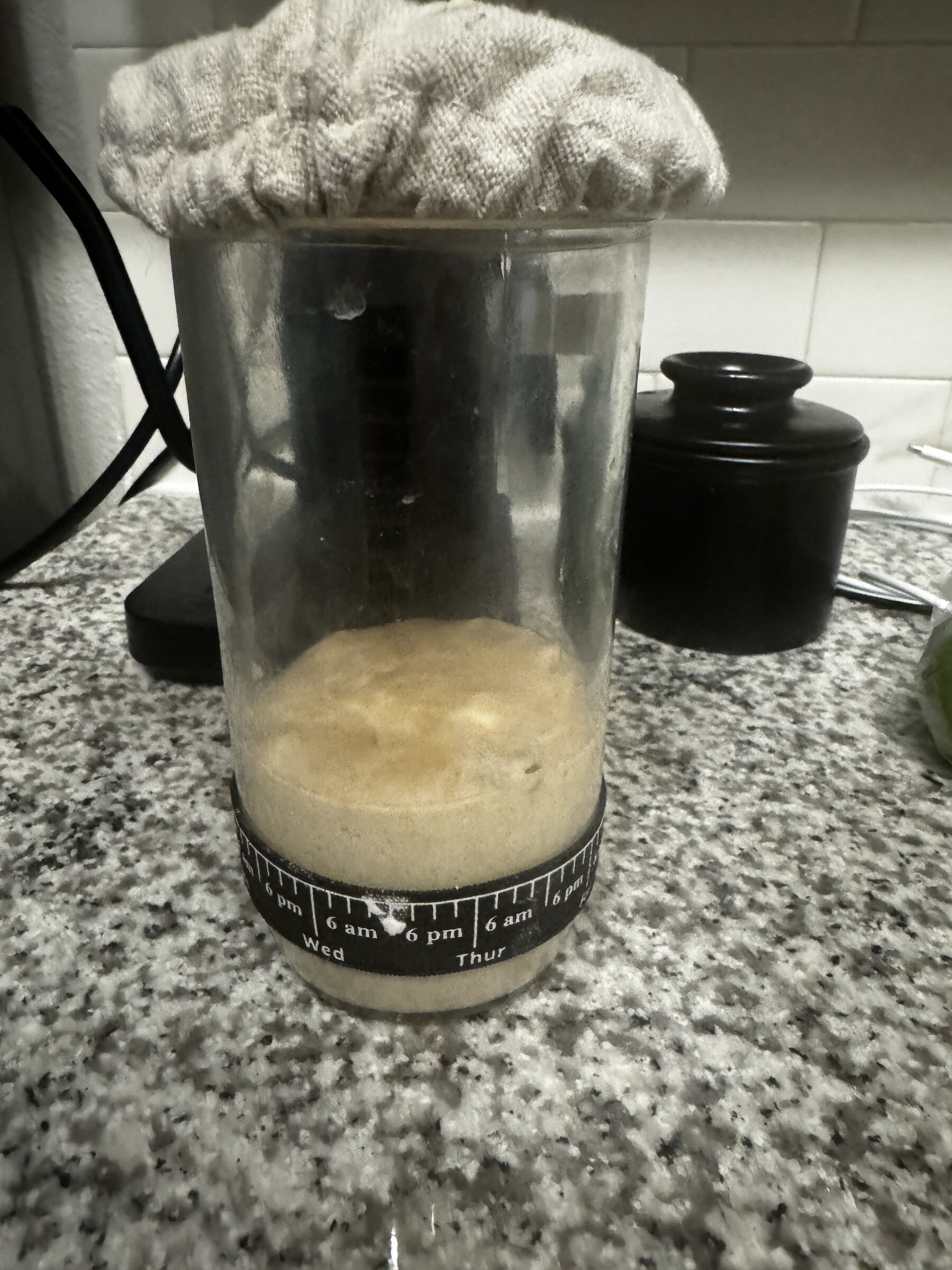
That was when his career started gaining momentum.
The rise improved. The alcohol smell faded. The mixture held its structure better, and the activity became much easier to see.
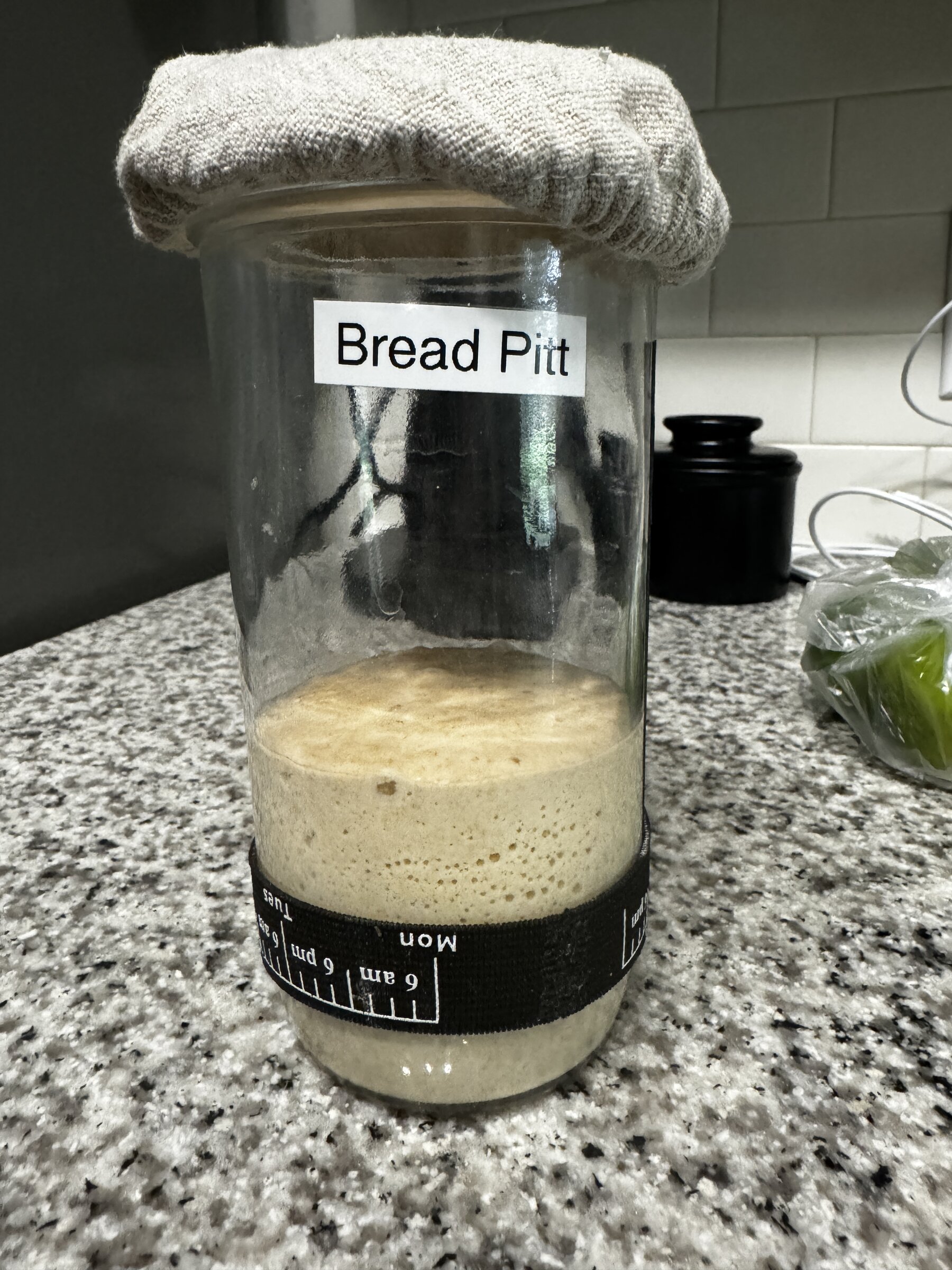
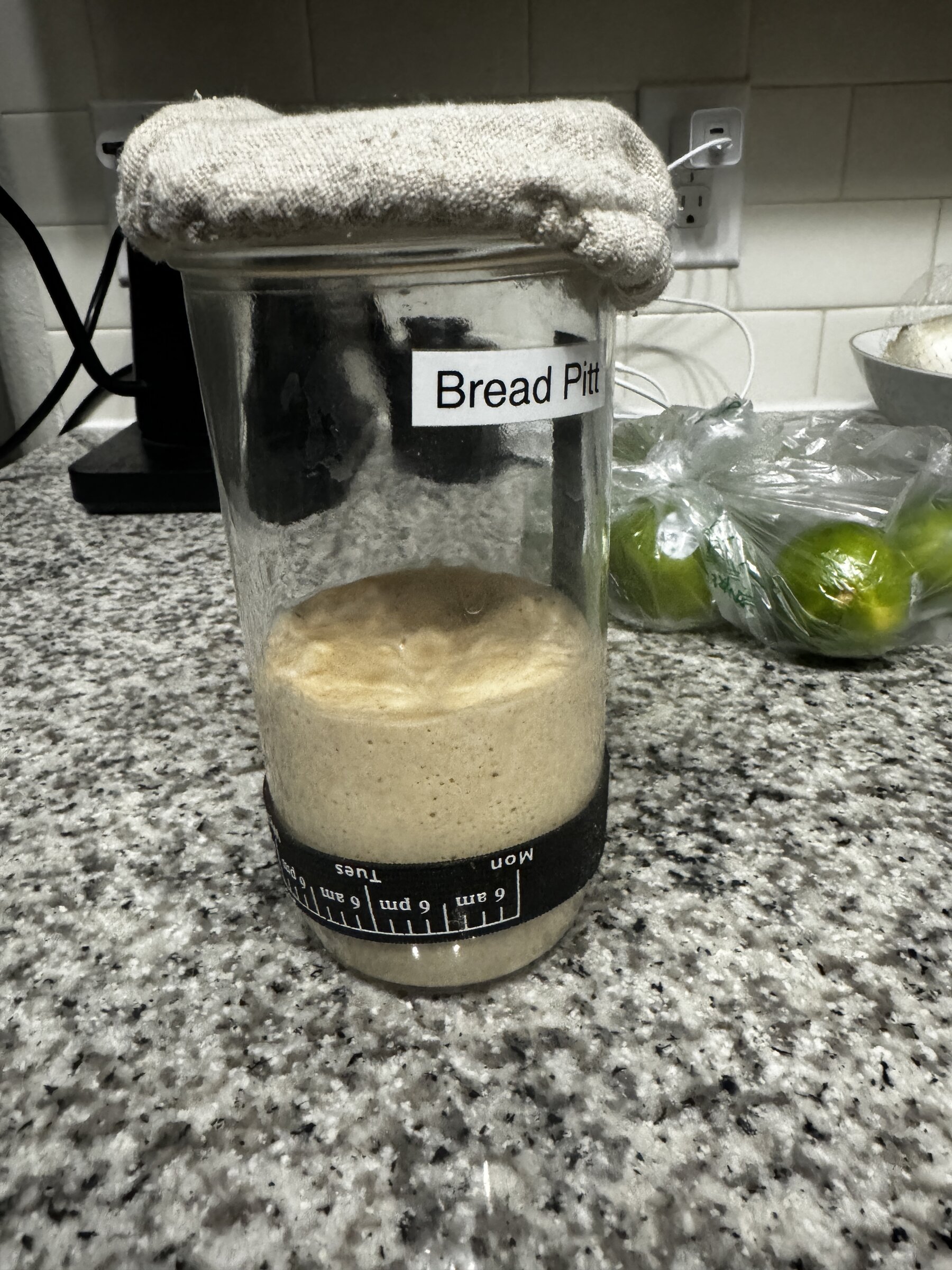
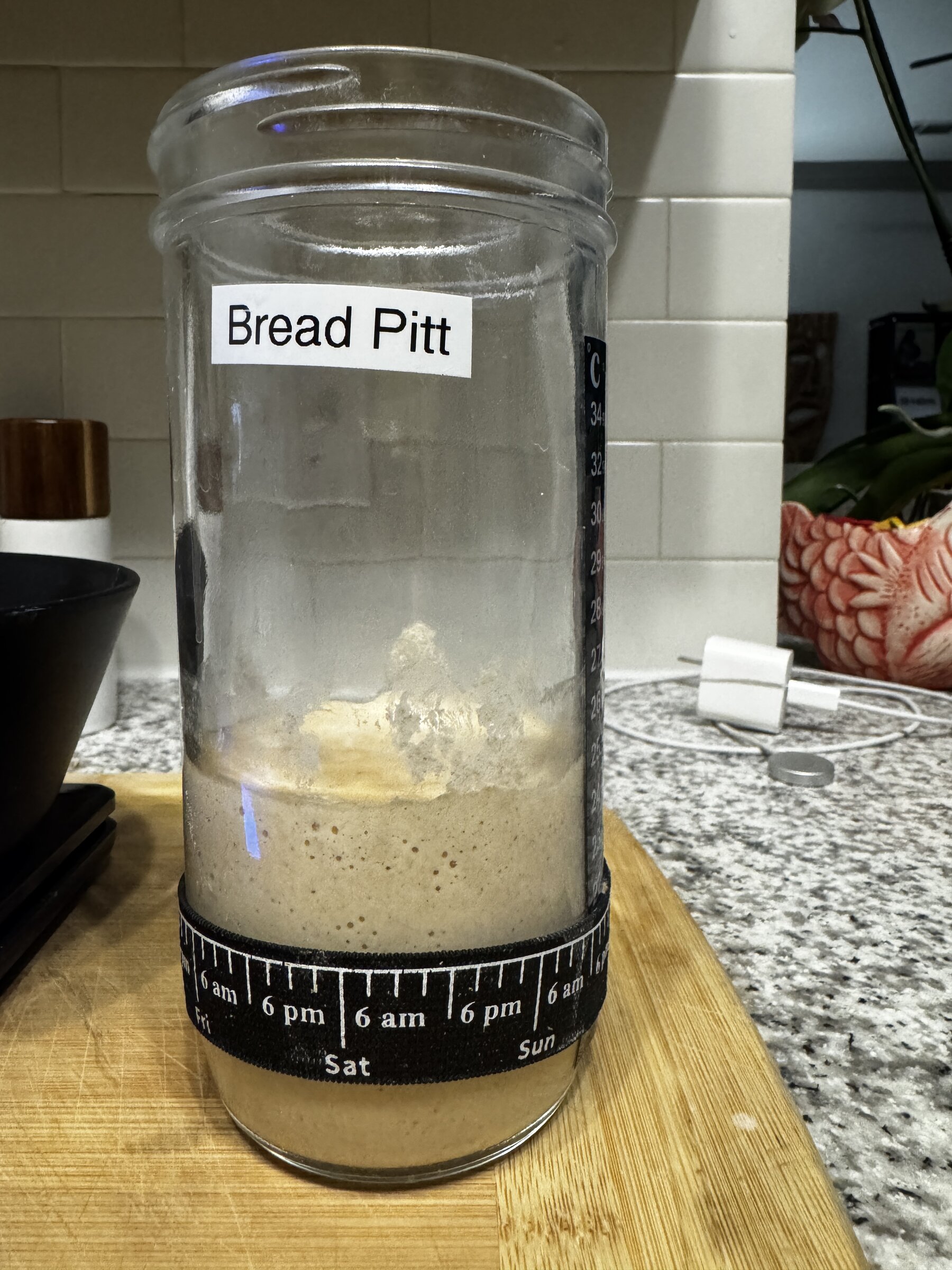
He began rising after each feeding, filling with small and medium bubbles, reaching a peak, and slowly falling again.
The Dependable Climax
By July 28, Bread Pitt was regularly reaching around double his starting height.
More importantly, he repeated that performance several days in a row.
A single dramatic rise is exciting. Repeated, predictable rises are what made me trust him.
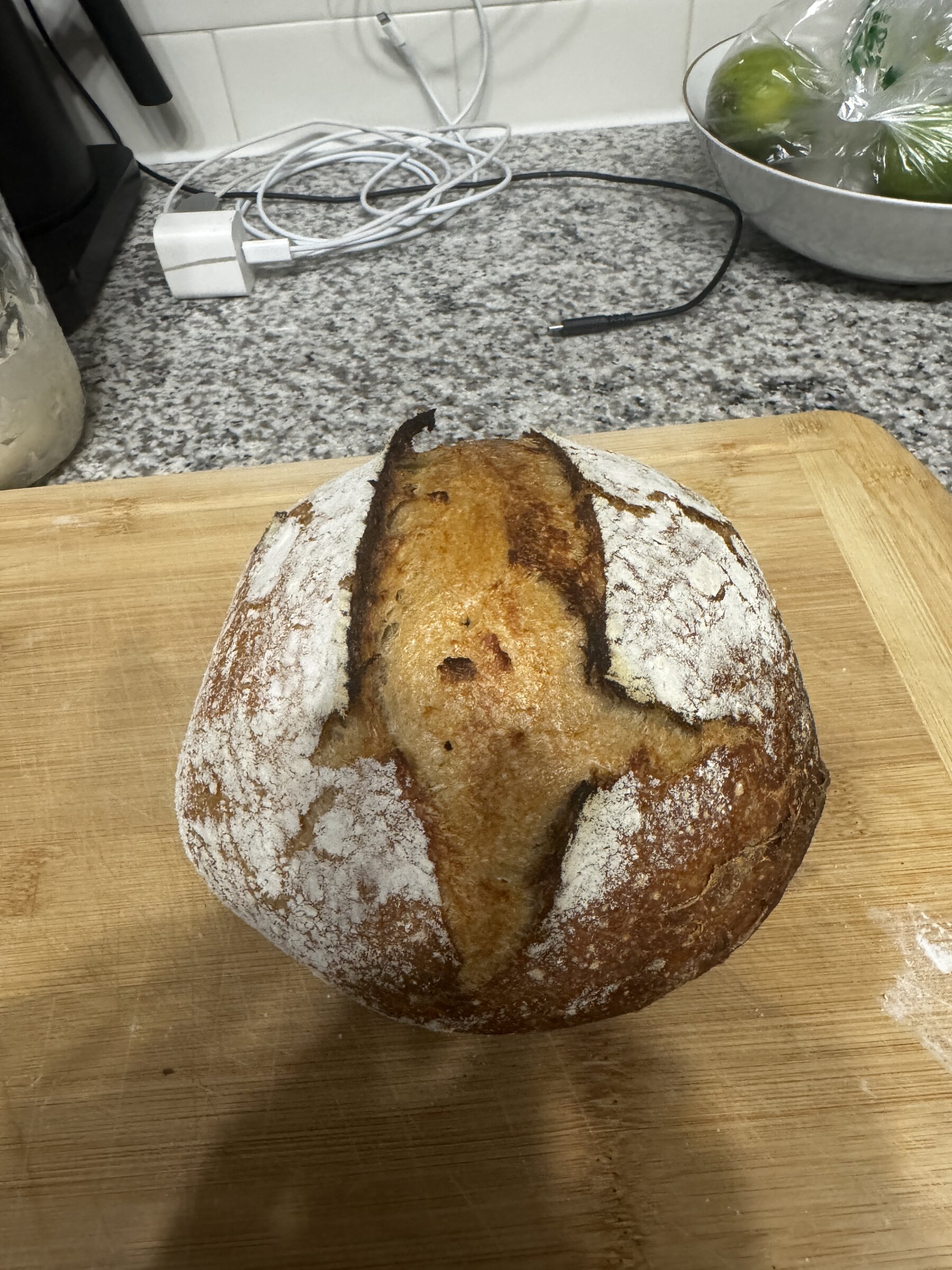
I stopped wondering whether he was alive and started planning his first loaf.
Bread Pitt had finally become dependable.
Lessons from the Credits
A sourdough starter uses simple ingredients and a simple routine: flour, water, time, and regular feeding. The process can still be messy, slow, smelly, and unpredictable.
- Use unbleached flour.
- Bread flour worked well for me, and whole wheat gave Bread Pitt a noticeable boost.
- Use what you have.
- Treat one week as an estimate.
- Pay attention to patterns.
- Keep feeding through the strange phase.
- Missing one feeding is survivable.
Bread Pitt 2.0 took the scenic route to stardom, but he got there.