BAKE003 · August 12, 2026
Sourdough Focaccia
A patient afternoon, three rounds of folds, and a focaccia that landed in the win column.
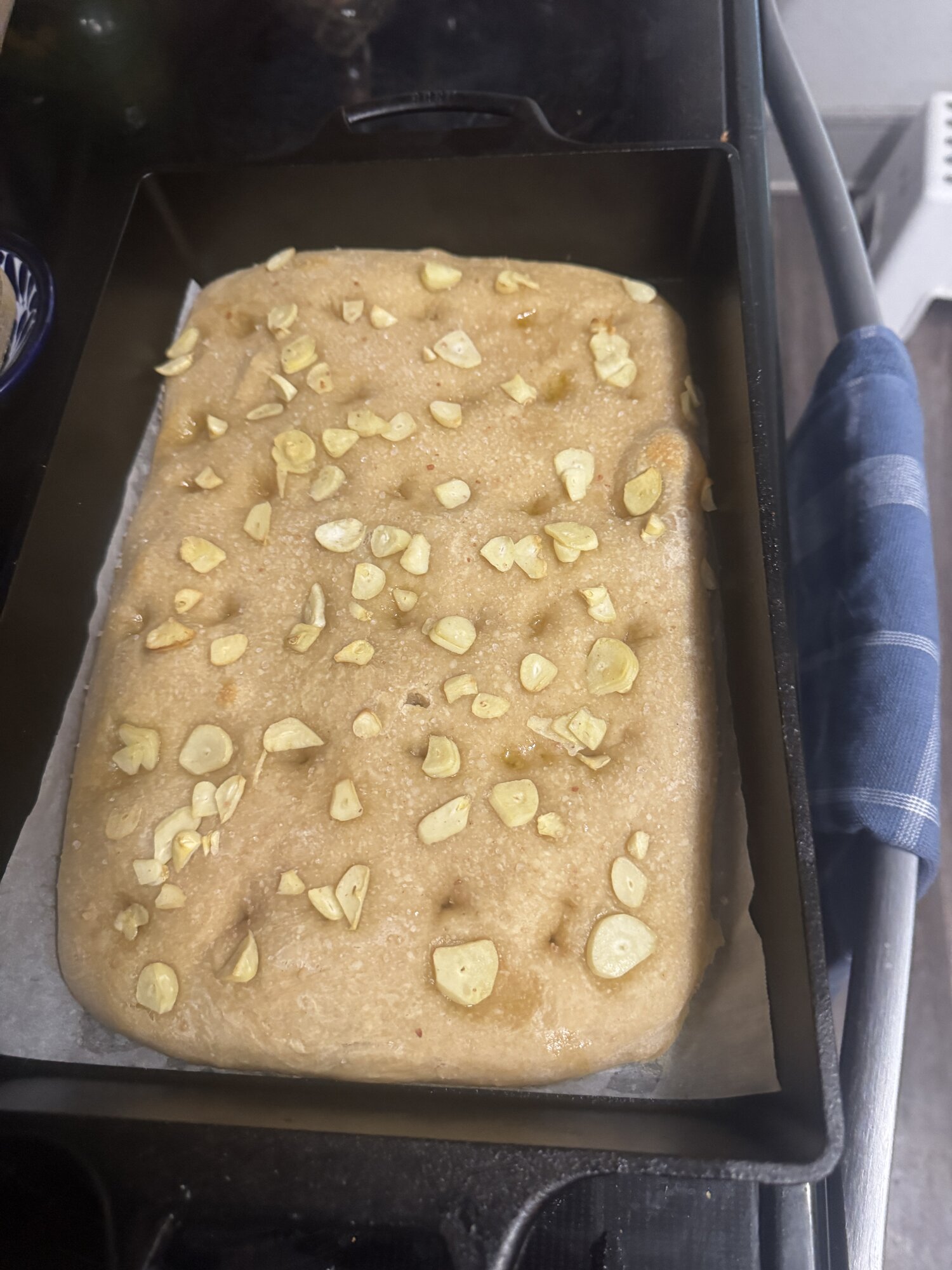
Bake003 was focaccia, partly because I wanted to try something different and partly because the sourdough sandwich bread from Bake002 was disappearing fast enough that I figured Bread Pitt had earned another assignment.
The recipe for this bake is available here: Sourdough Focaccia.
Getting Bread Pitt Ready
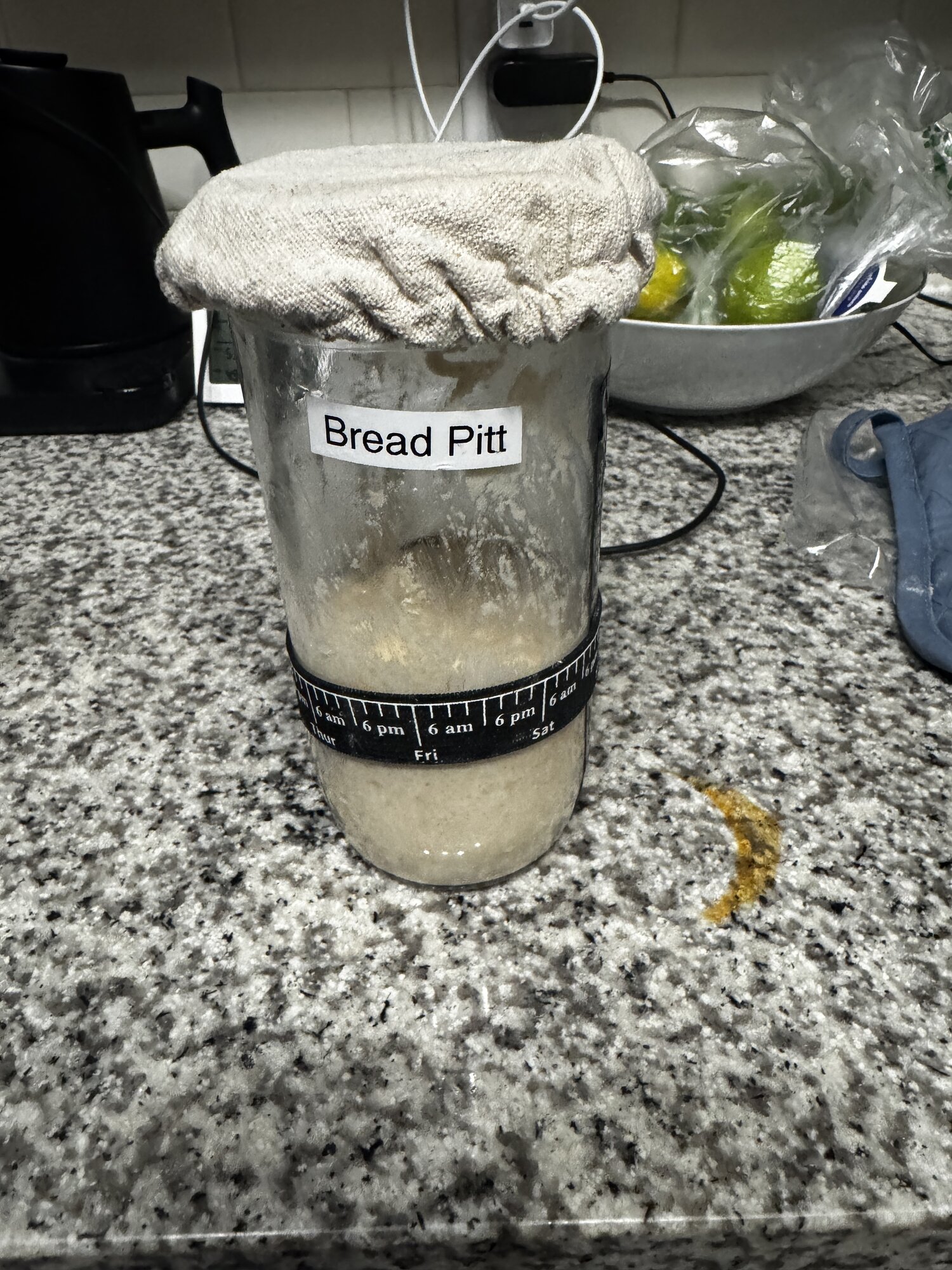
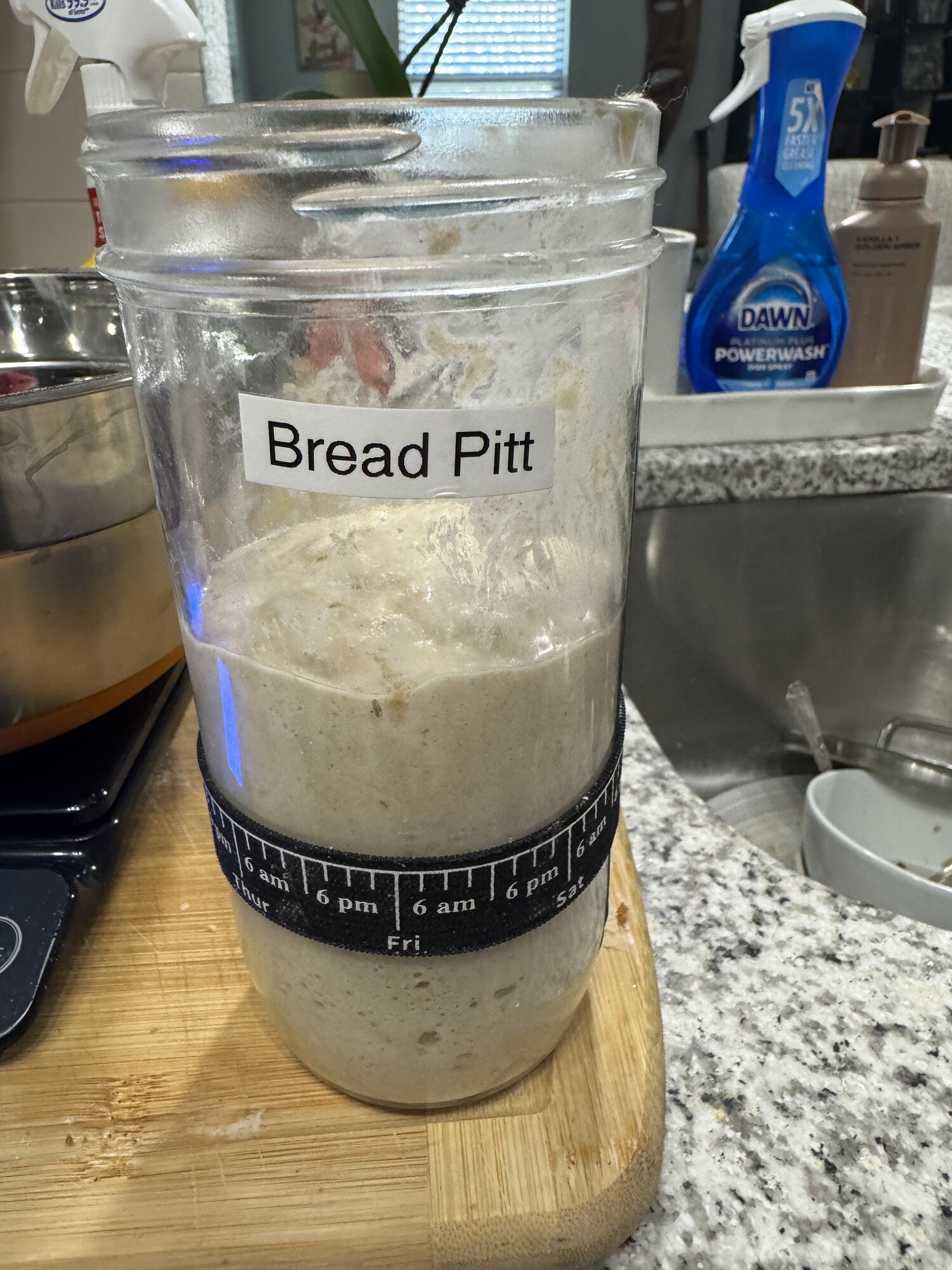
I fed Bread Pitt at 4:38 am and let him do his thing. To be clear, there is absolutely no reason you need to get up at four o'clock in the morning to feed your sourdough starter. I have insomnia. Sometimes it's useful.
By the time I was ready to start, he was active, bubbly, and had risen nicely.
Mixing and Folding
The dough went into the mixer around 11:00 am. After five minutes it was still sticky and loose, which is pretty much what I expected from focaccia, but it had come together well and was pulling away from the bowl.
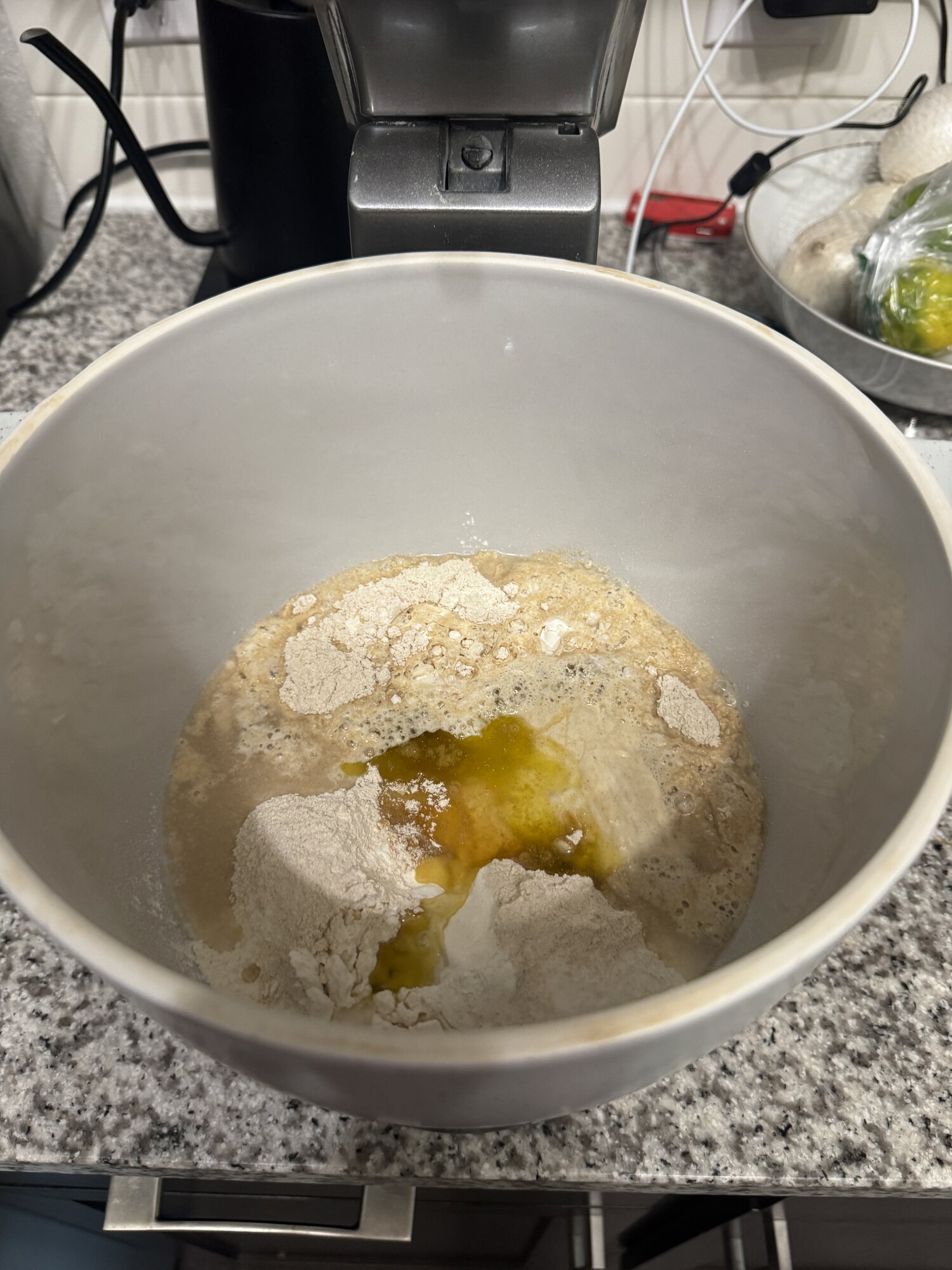
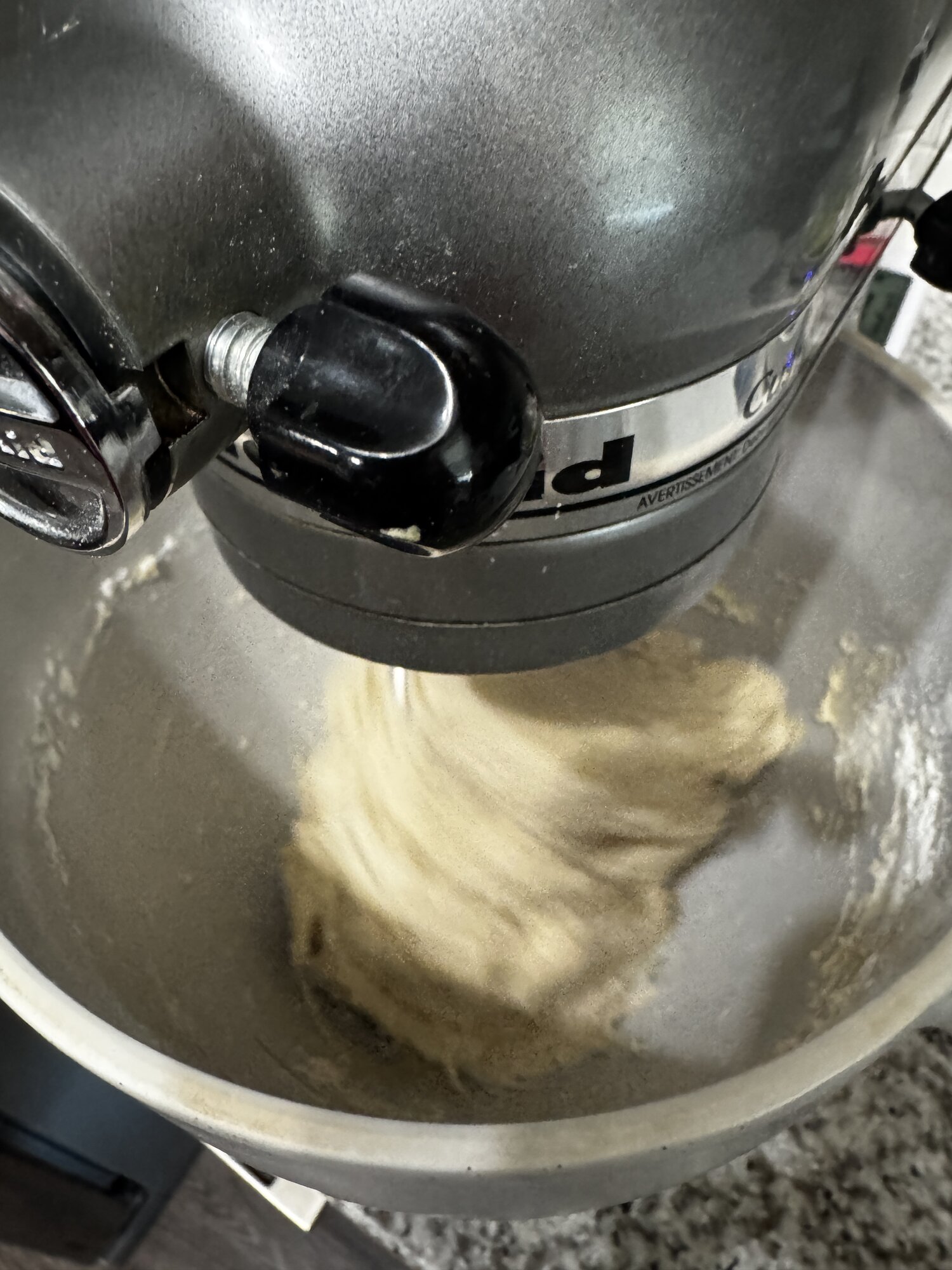
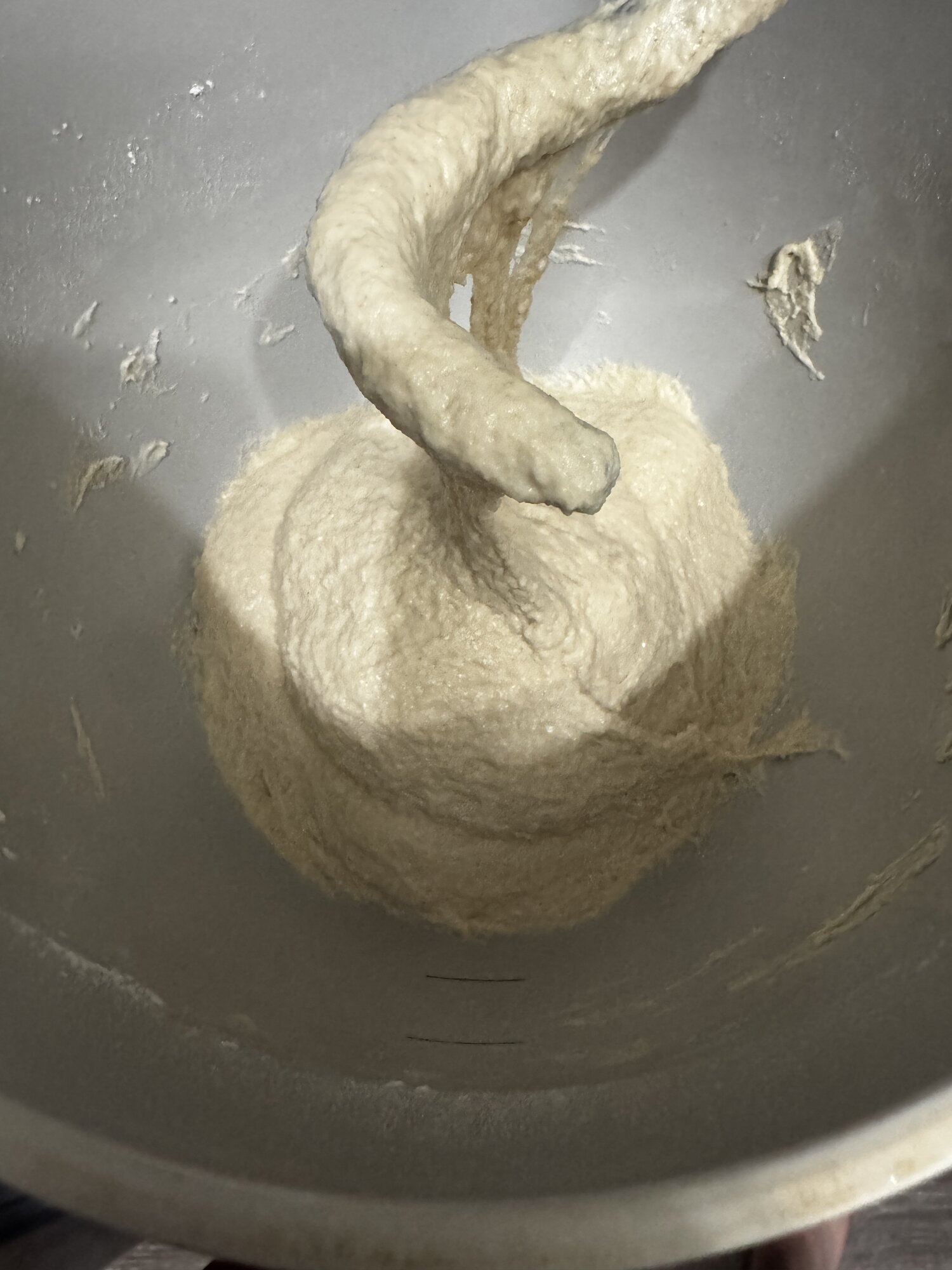
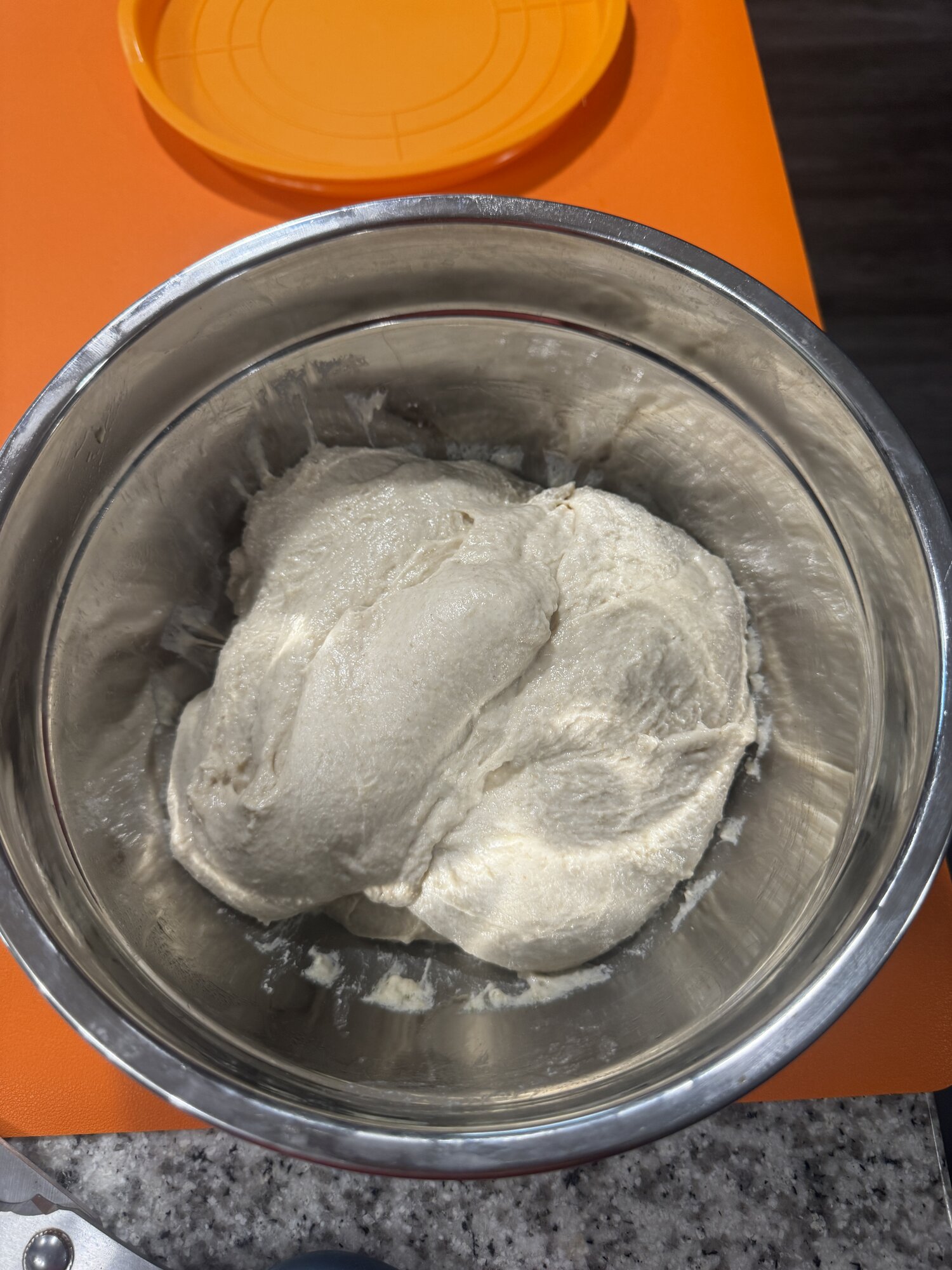
At 11:07 am it went into a lightly oiled bowl for a 30-minute rest, followed by three rounds of folds about 30 minutes apart.
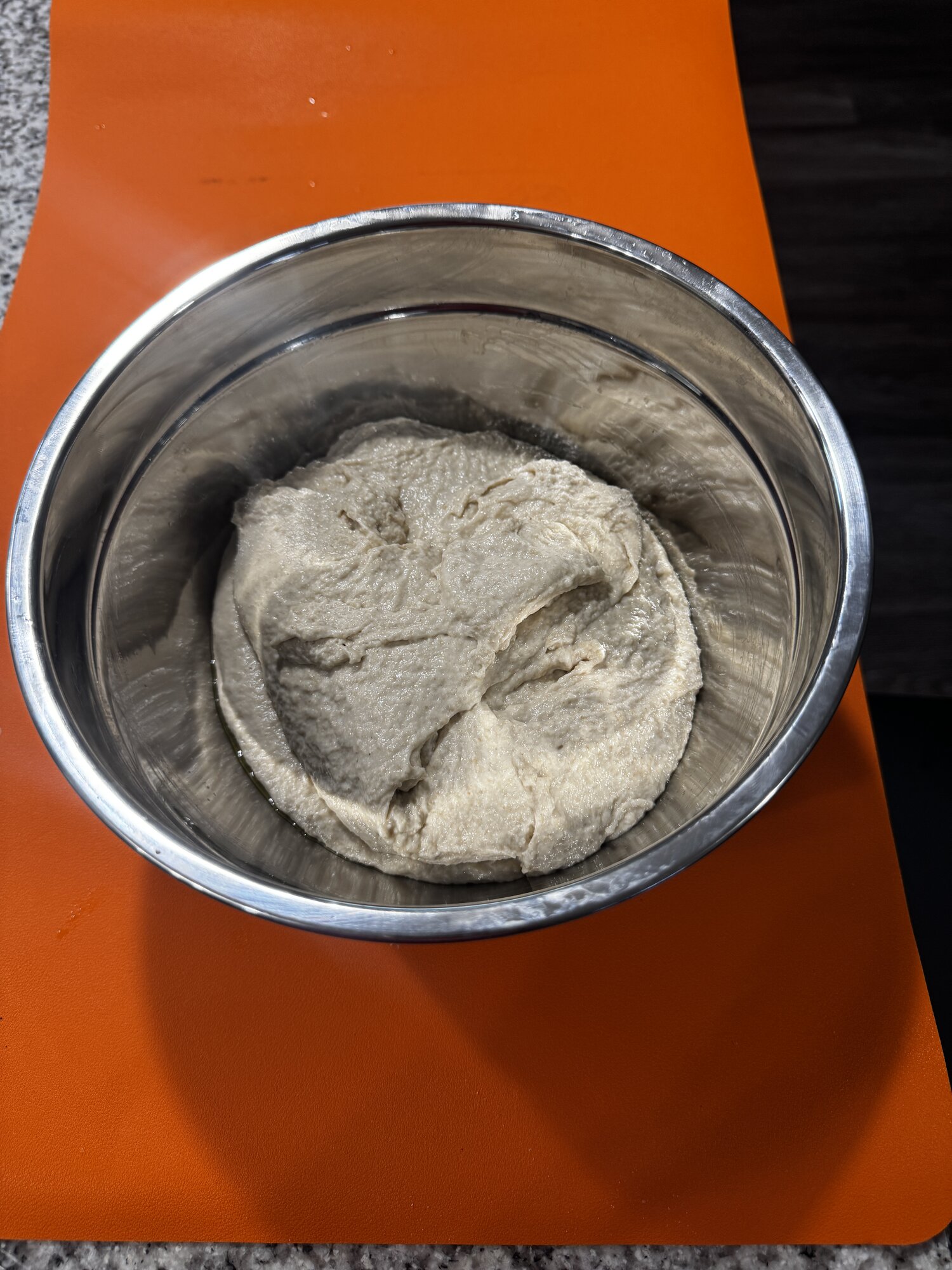
This was probably my favorite part of watching this dough. After the first fold it was still pretty loose.
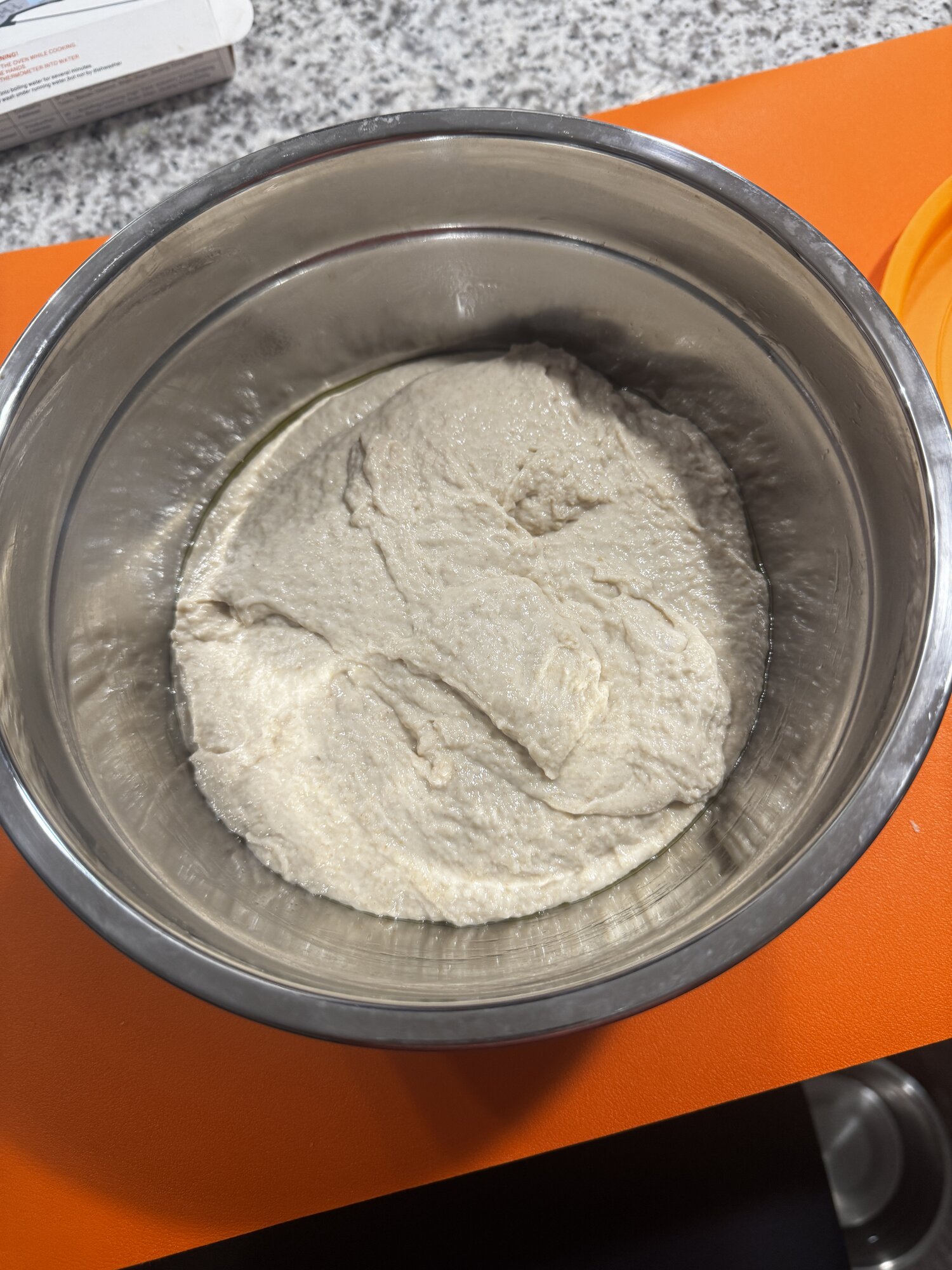
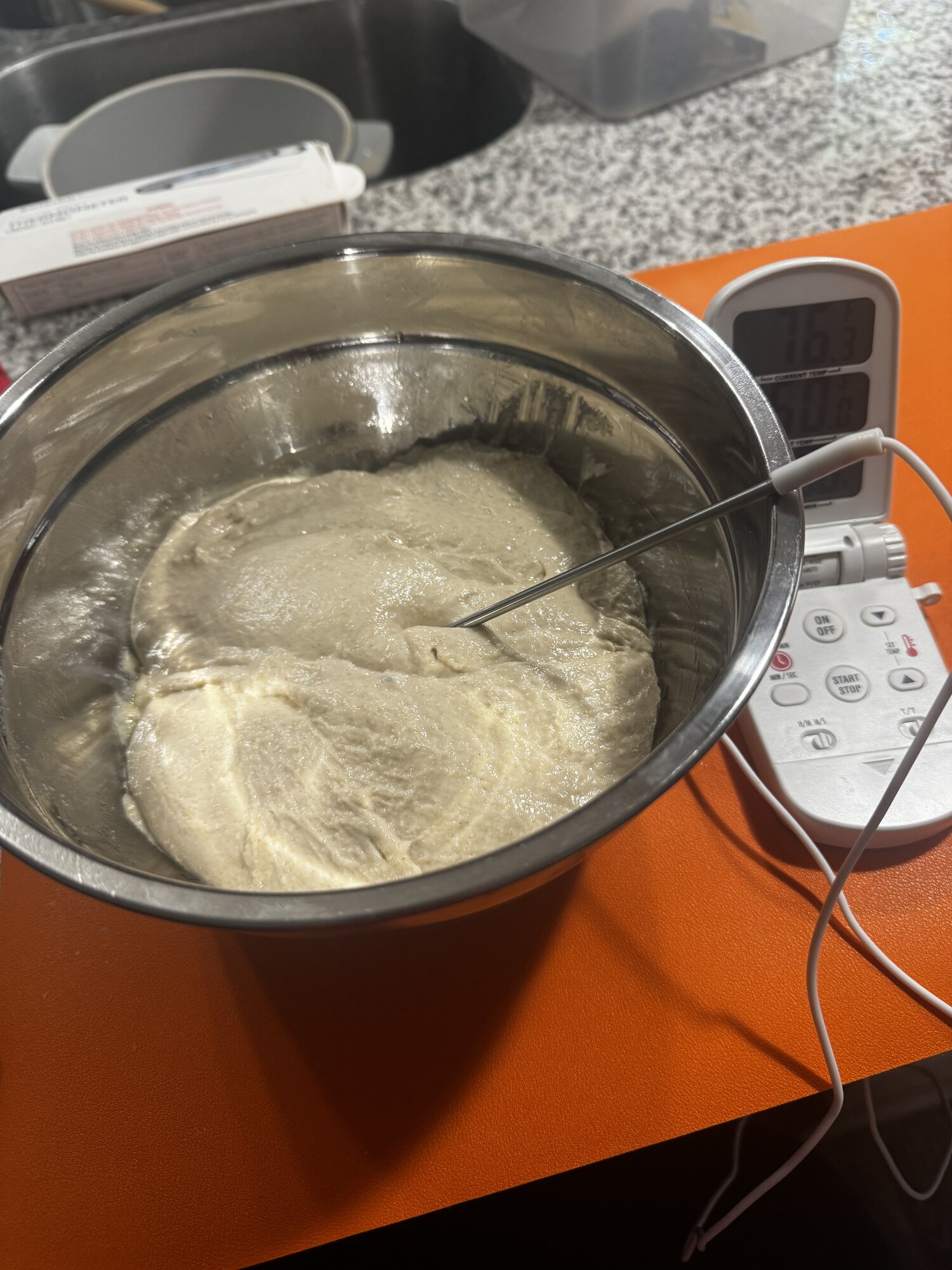
By the second, it was stretching more smoothly and holding together better.
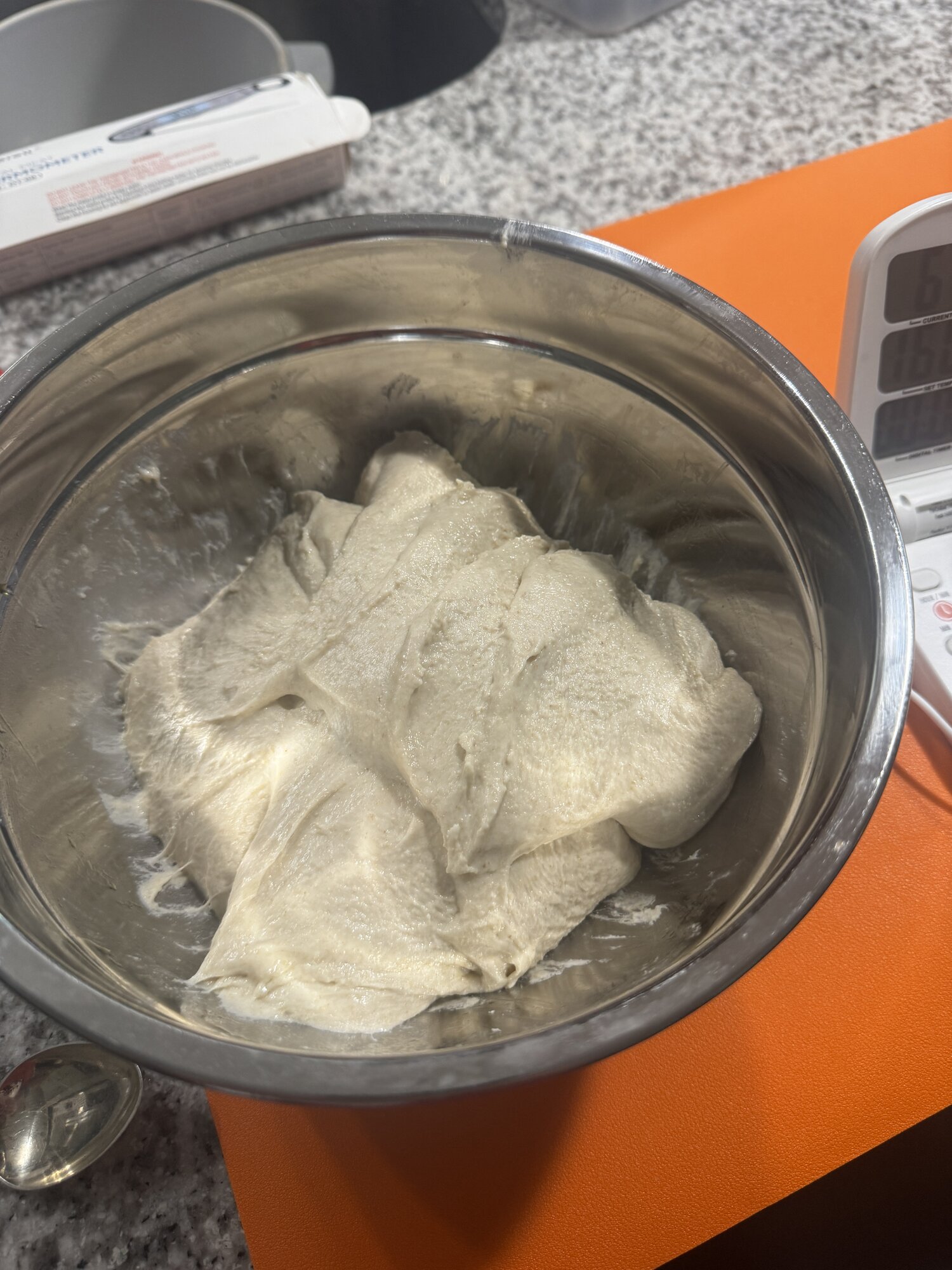
After the third, it felt like an entirely different dough.
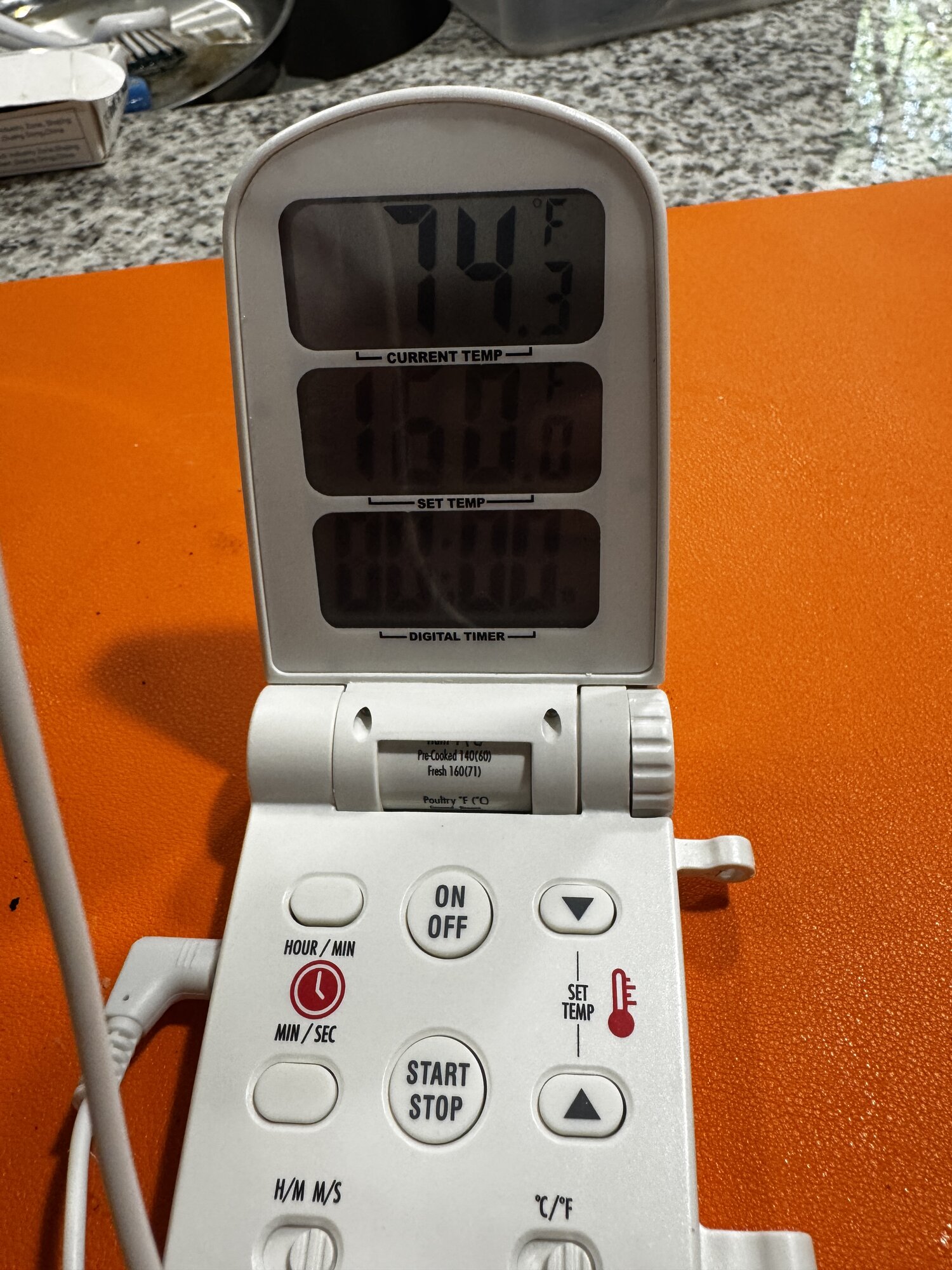
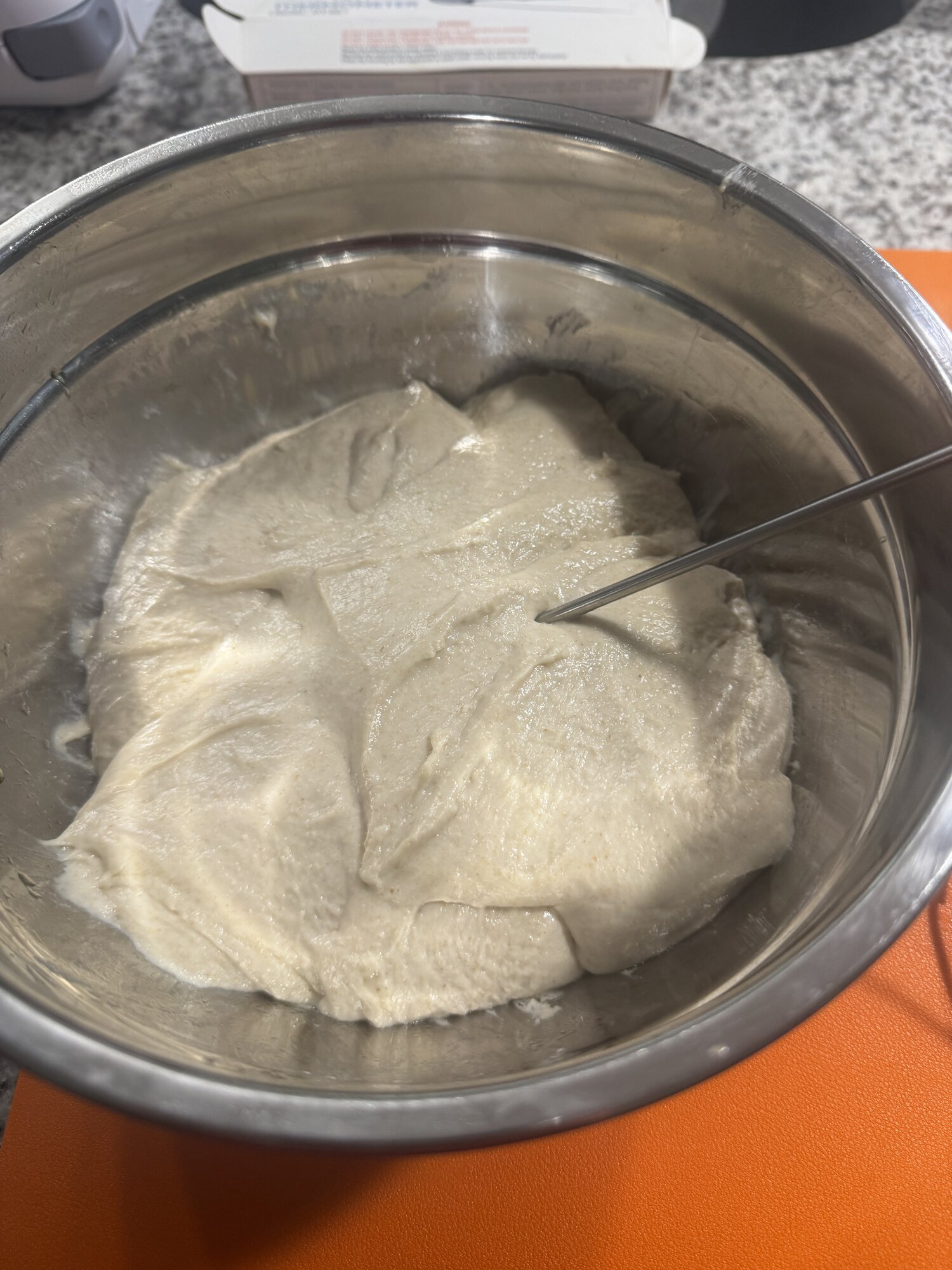
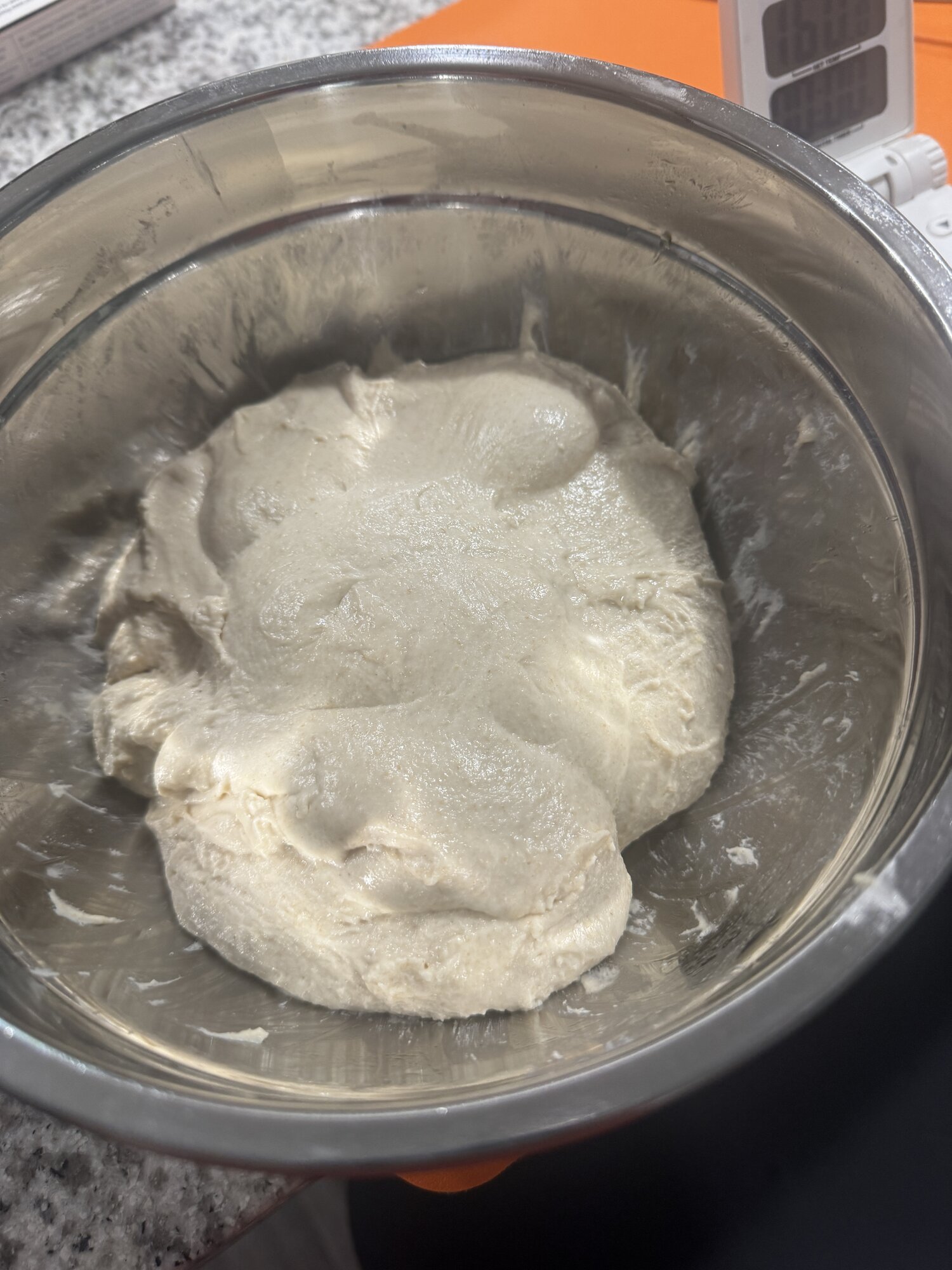
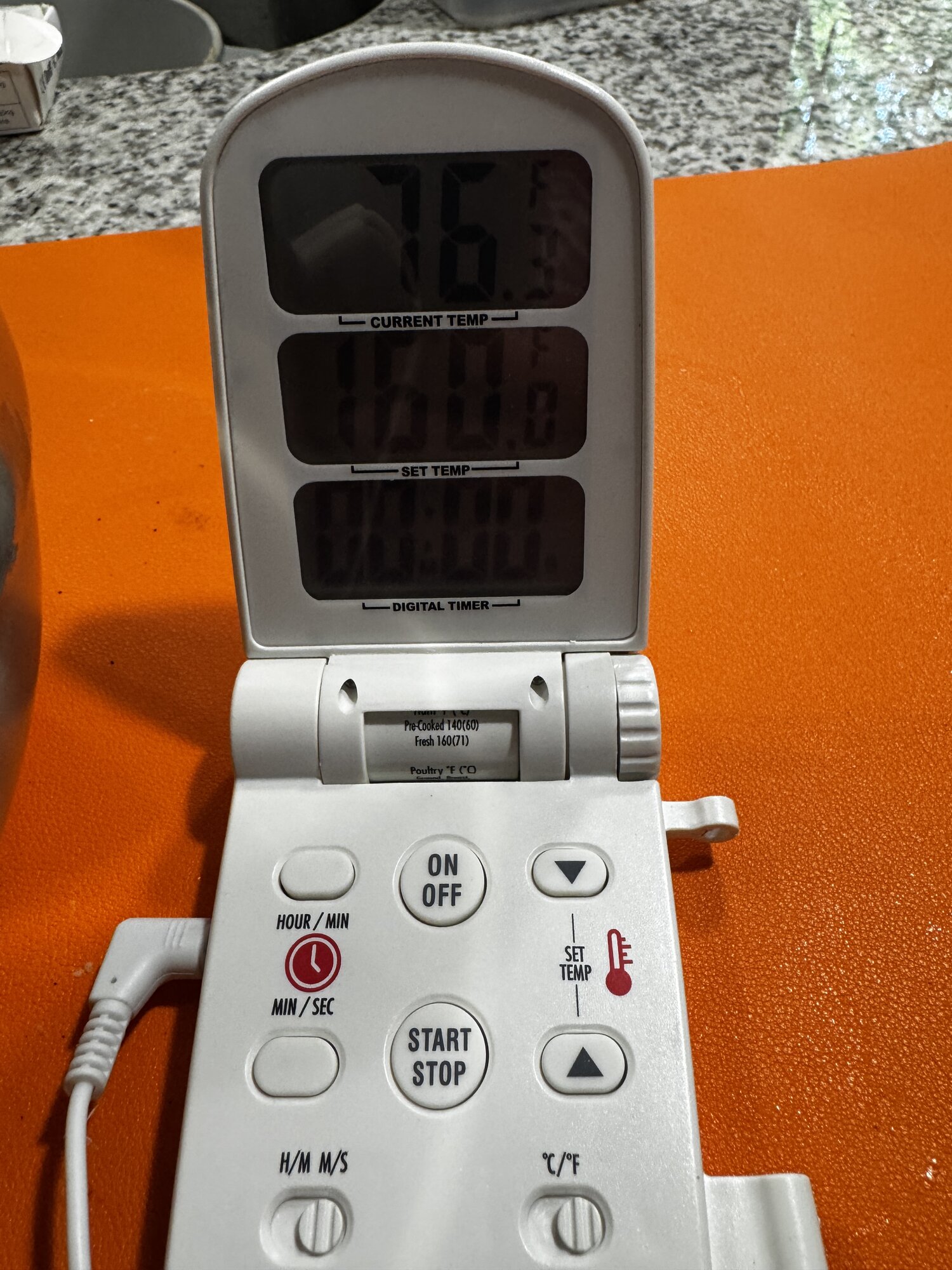
The temperature after the second fold was 76.3°F and had dropped to 74.3°F by the third. From there I left it alone to bulk ferment.
A Patient Bulk Fermentation
This one wasn't in any particular hurry.
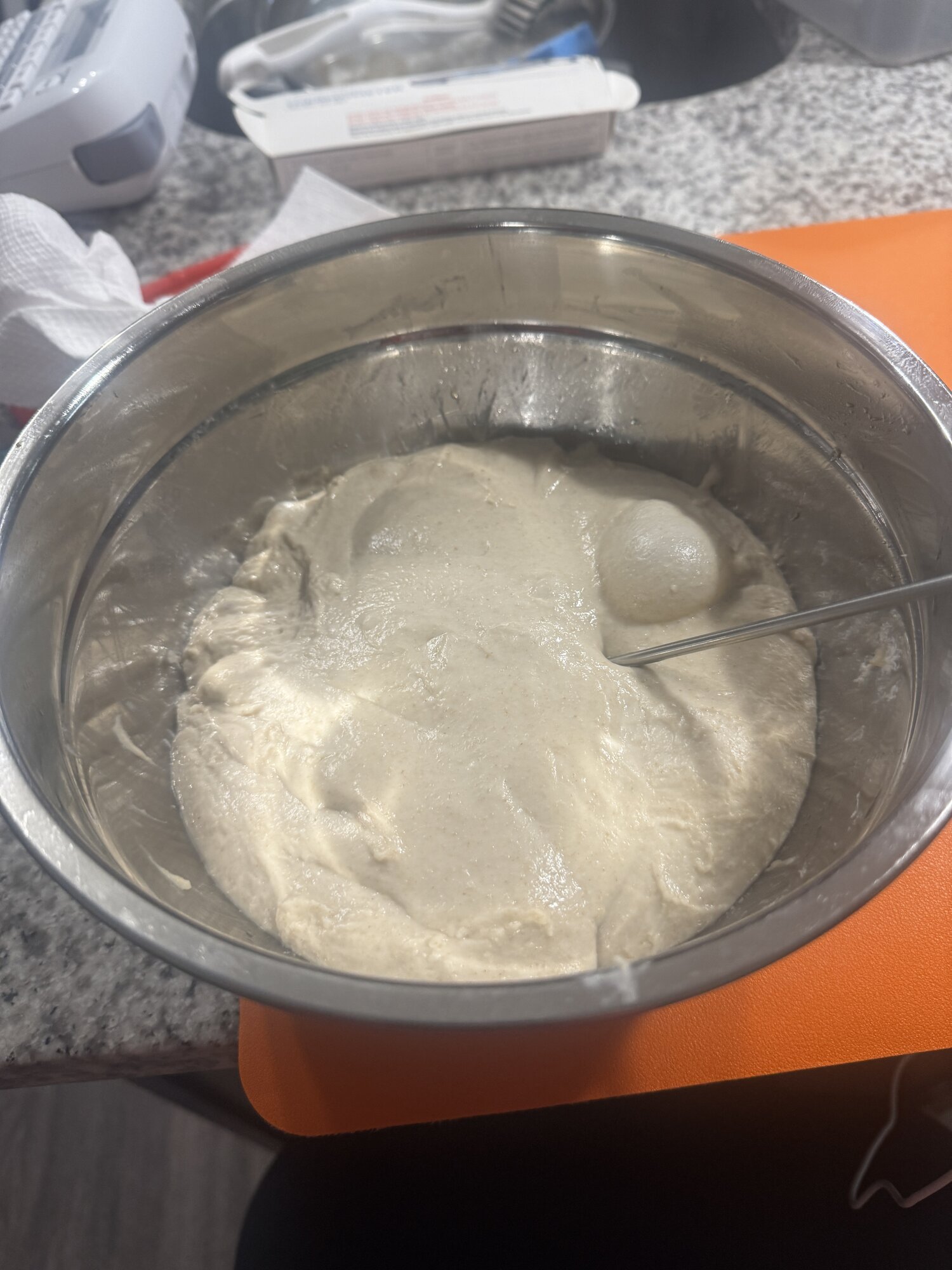
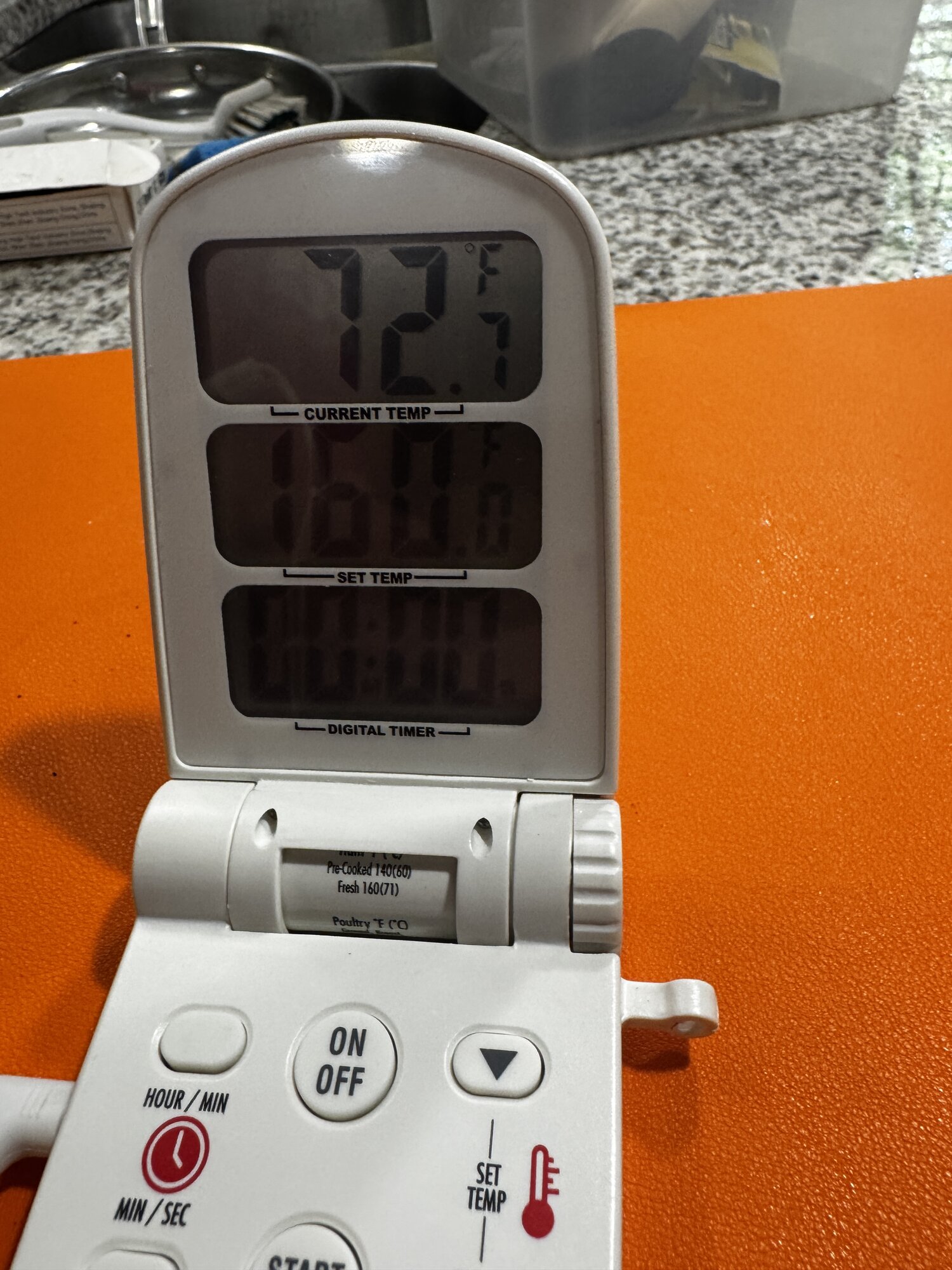
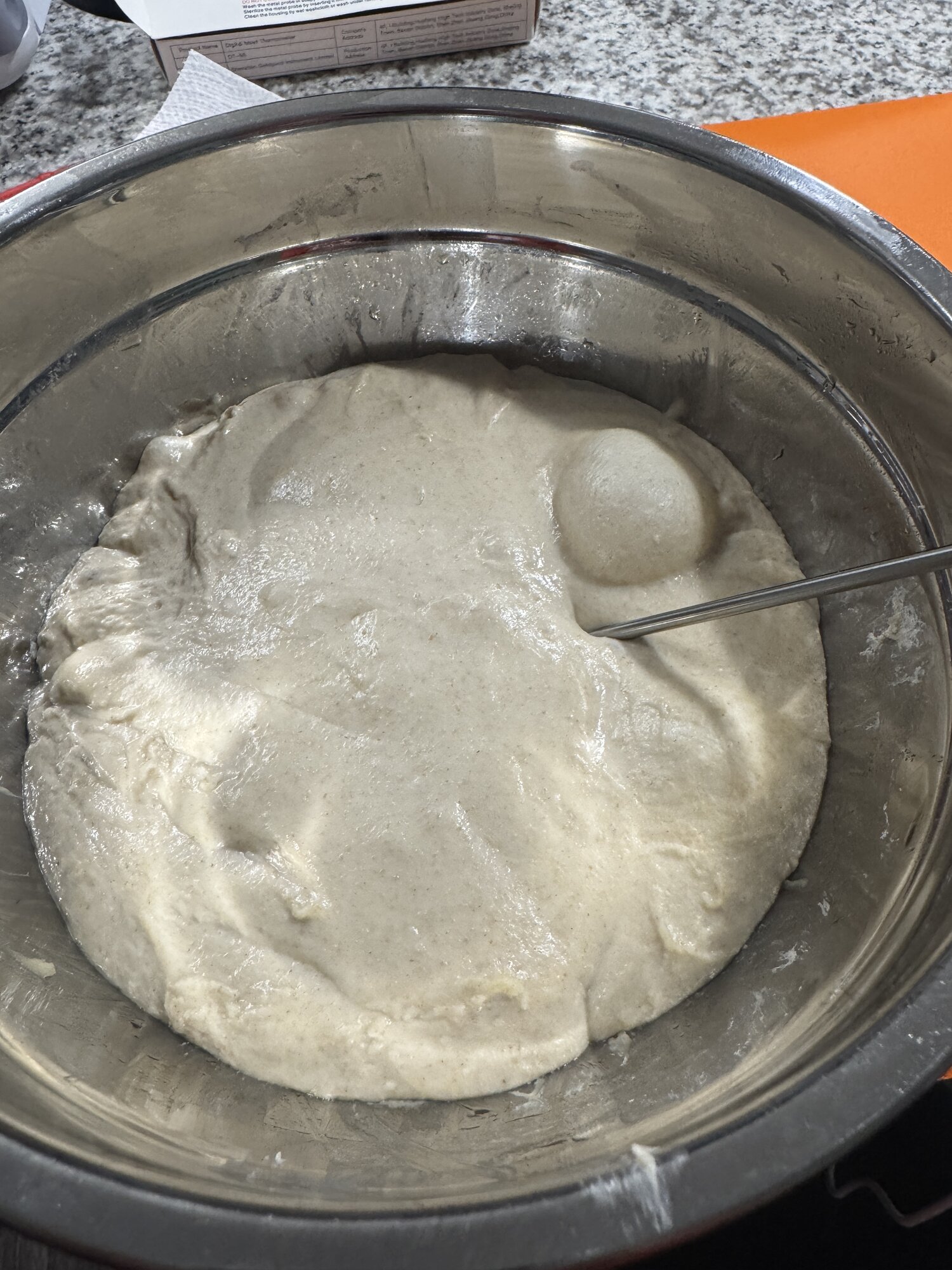
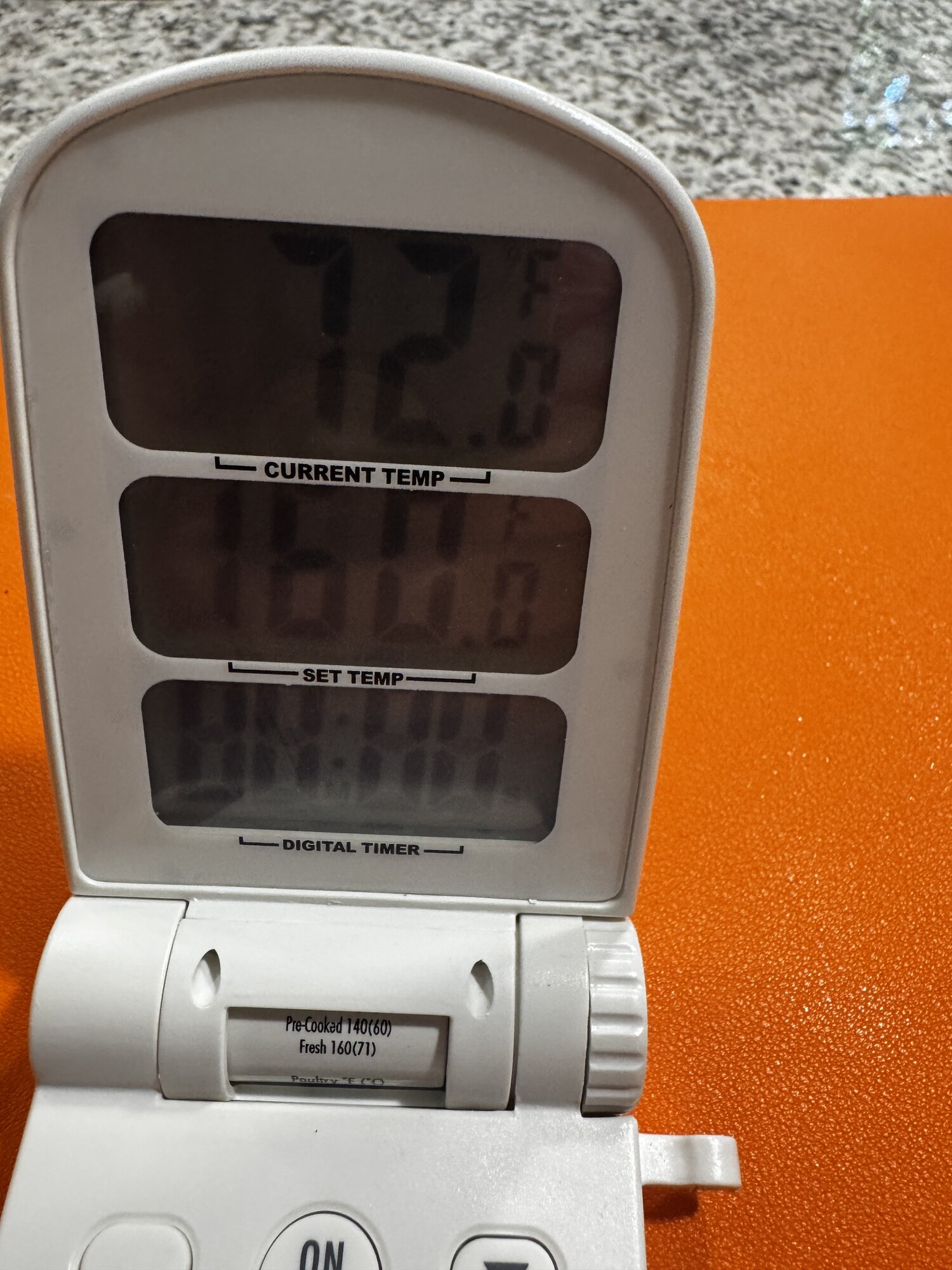
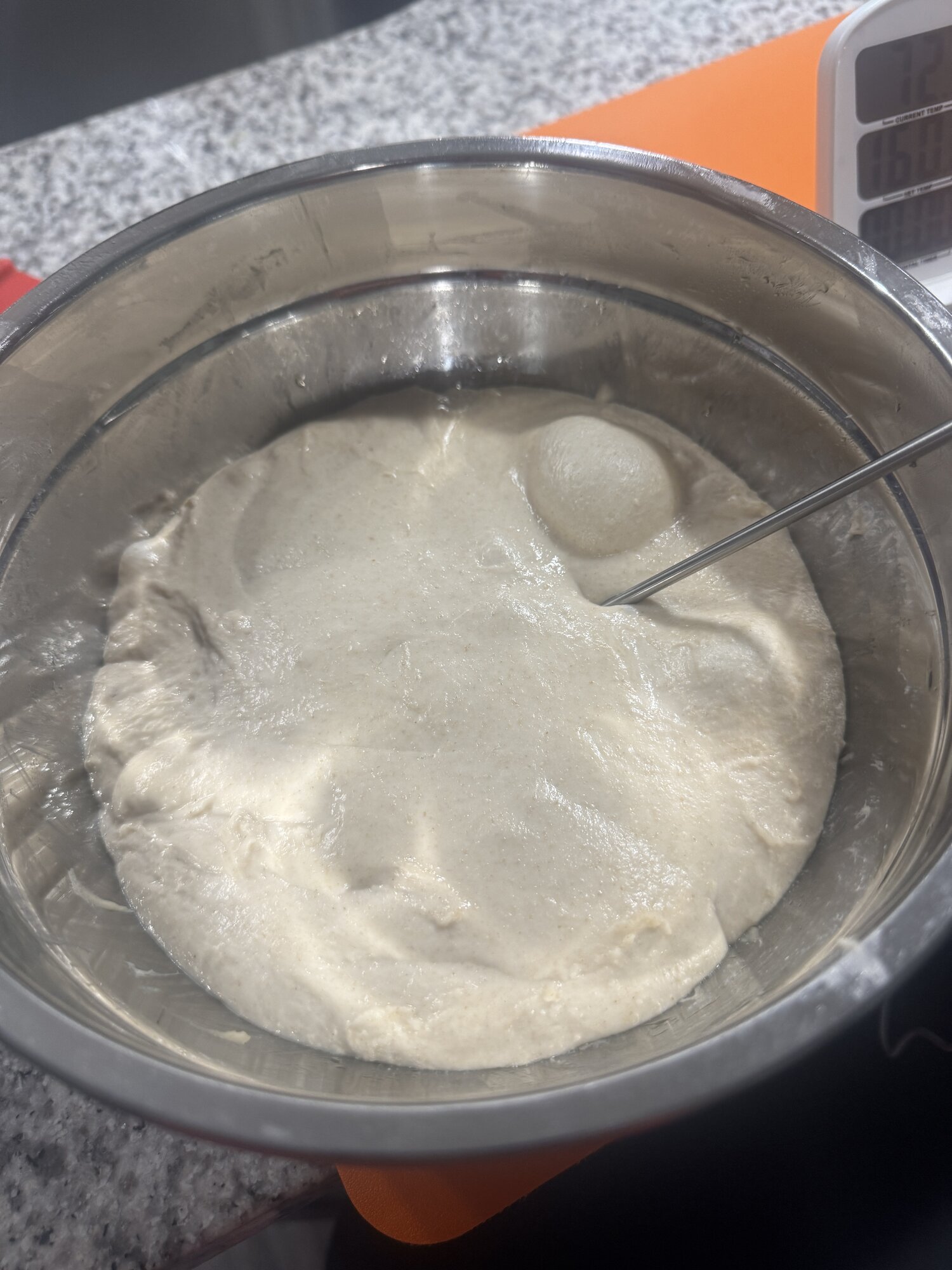
At 2:25 pm the dough was down to 72.7°F and fermentation was clearly happening. A rather impressive bubble had appeared on one side, but the rest of the dough still needed some time. By 3:54 pm it had expanded more and was looking increasingly pillowy, with the temperature holding around 72°F.
At 4:40 pm I decided it was ready and moved it into Bake Gyllenhaal.
Meet Bake Gyllenhaal
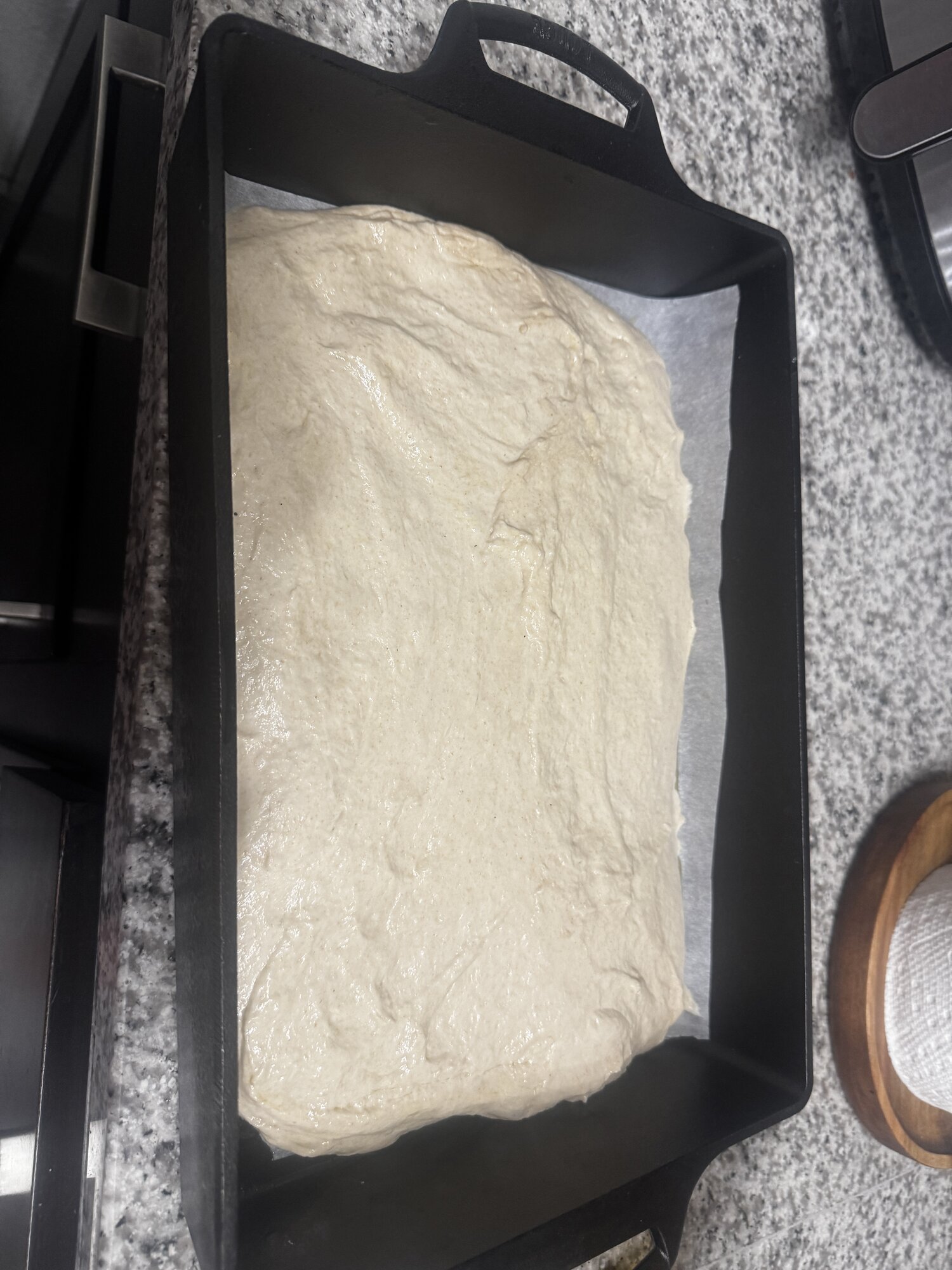
Bake Gyllenhaal is my 9x13 Lodge USA BW130 cast-iron baking pan. Focaccia may have gotten him into the Bread Pitt lineup, but he's also built for pizza, cinnamon rolls, and whatever other general cooking job requires a large slab of cast iron. The equipment section of the site is still coming, so consider this his formal introduction.
The dough spread into the pan surprisingly easily without requiring much persuasion. I let it proof there for just under an hour, then gave it a generous coating of olive oil, dimpled it, and topped it with salt and sliced garlic.
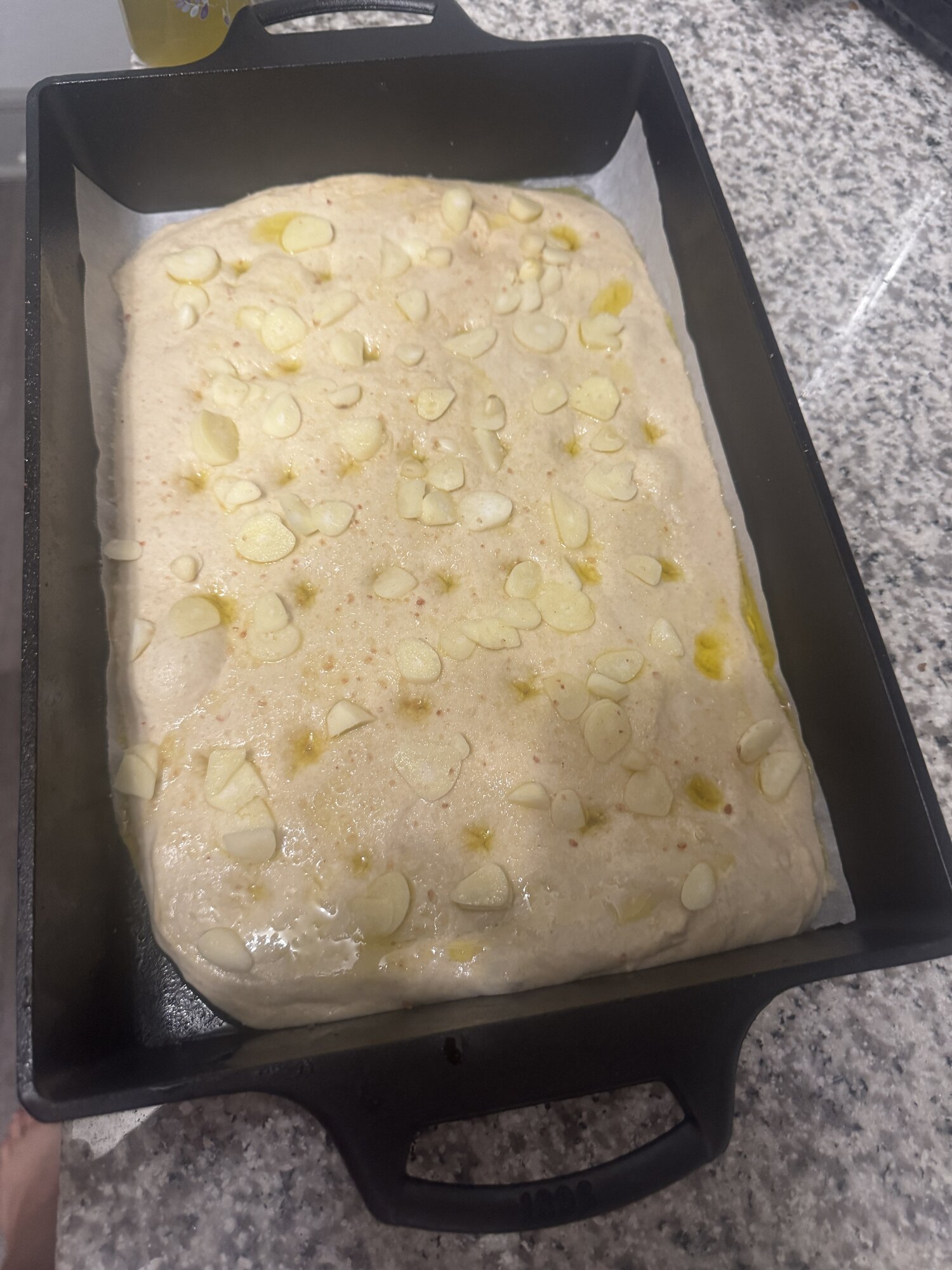
At 5:43 pm it went into the oven.
Twenty-two minutes later, Heat Ledger reported 212°F. The top was a little lighter than I expected, but the garlic had toasted without burning and the edges had picked up some color, so I called it done.
Then I discovered a minor flaw in the Bread Pitt equipment department: I don't own a cooling rack.
We improvised.
The Results
The crumb was the part I really wanted to see, and it didn't disappoint. It was light and well aerated, with irregular holes throughout and no dense layer along the bottom. After spending most of the afternoon wondering whether I was giving the bulk fermentation too much time or too little, cutting into it was a pretty good confirmation that we landed in the right place.
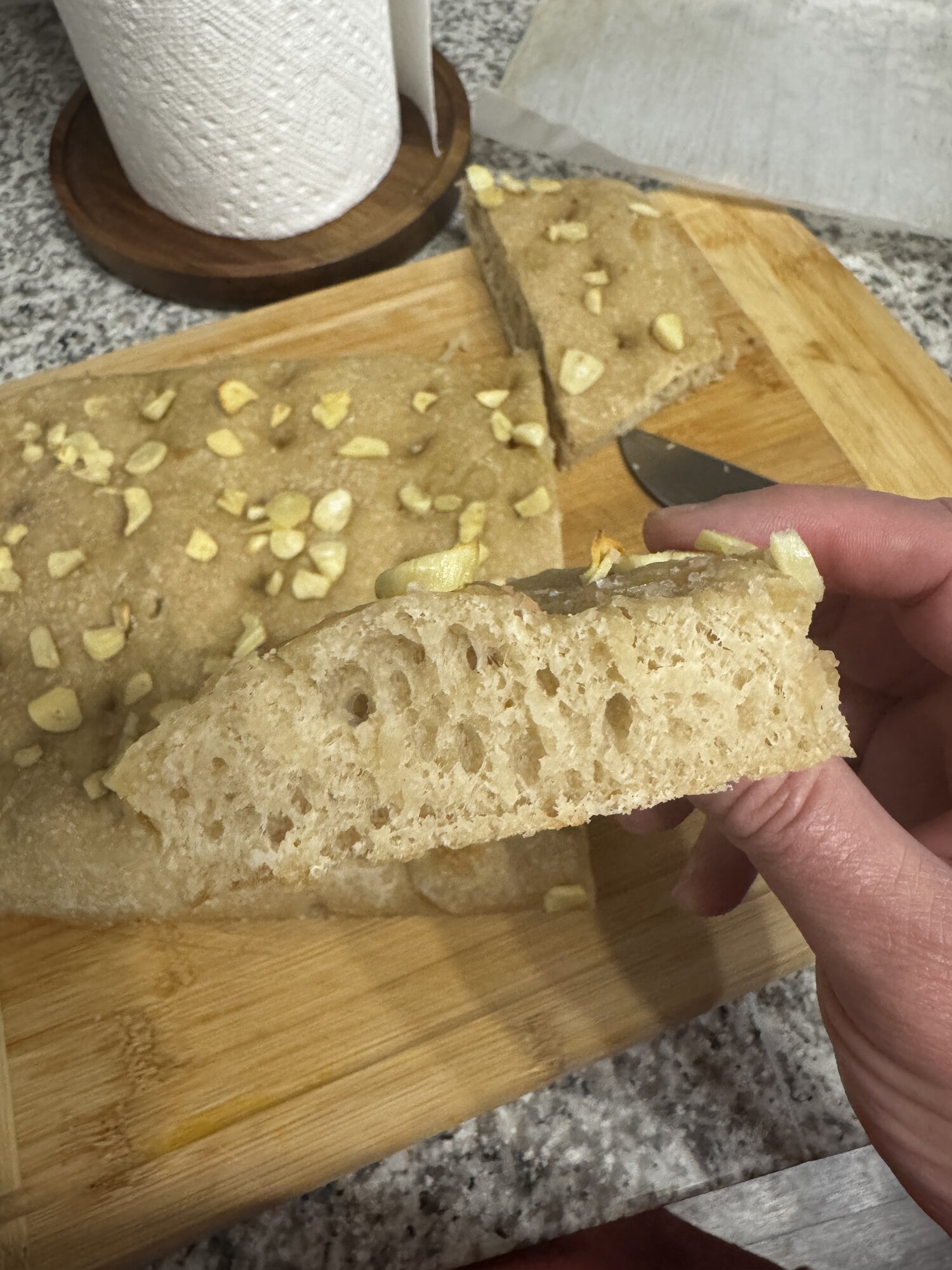
There are still things I'd tweak. Next time I'd like a little more color on top, and a cooling rack has officially made its way onto the equipment list. But the fermentation worked, the crumb worked, and the garlic survived 450°F without turning into little pieces of charcoal.
Rating
👍👍👍👍👍👍👍👍👍
9/10 thumbs up
The only real deduction was the pale top. Everything else landed where I wanted it.
Bake003 goes in the win column.